Field Trip: mixing business with pleasure in Bluffton, SC

One of the small towns located close to where I reside, Beaufort, SC is Bluffton. Actually, Bluffton is not all that small as it ranks as the 5th largest ‘city’ in the state (by area), due to the incorporation of various annexations in the past dozen or so years.

The largest of these was the property known as Palmetto Bluff, previously a hunting property, now a development replete with Jack Nicklaus golf course, a spectacular Auberge Resort, multi-million dollar homes and it’s own little “town”. These fine folks also hold homage to all things deliciously Southern at their annual Music to your Mouth Festival held in November. It’s a literal bacchanalia of food, wine and southern-inspired artisans showcasing their work.

Of course, with the gorgeous setting overlooking the May River and sumptuous, tasty treats prepared by foodie celebrité chefs like Chris Hastings, Sean Brock, Craig Deihl, Steven Satterfield and Hugh Acheson one cannot go wrong just attending the Saturday Culinary Festival. I was lucky to be invited last year and write about the Culinary Festival as part of my other blog, Hilton Head Island Foodie Vibe. Fingers-crossed, I will be invited back this November. Whether I am or not, it remains the finest example of mixing business and pleasure that I have encountered.

There are actually a whole slew of events that make up the festival and one can surely carve a very nice foodie-centric getaway out of the week, if you are so inclined. Note that it is not a free affair – the cost is as they say, somewhat substantial, but where else can you actually strike up a conversation with that many accomplished chefs AND sample their best creations, all on the same day? This year I heard that there will be a bacon forest – are you kidding me? I must see (and nibble?) that!

To say that Palmetto Bluff is a “nice property” is an understatement. To give you an idea, it has received the AAA-5 Diamond award for the last 3 years, U.S. News & World Report ranked it as the #1 hotel in the entire U.S. this year, and Conde Nast Traveler named it the #3 best southern golf resort and #15 spa this year. While that is all well and good, I find that the best aspect of this place is that it actually fits into Bluffton.

This could be deemed peculiar since Blufftonians are known – and proud – to flaunt their ‘own state of mind’. Old Town Bluffton itself, is well, old… and rustic with paint peeling, un-manicured yards and even neighborly roosters crowing at dawn… and other, usual times too. The flora and fauna here can be wild and well, quite beautiful in it’s own overgrown and verdant way.

In Bluffton you can find a million-dollar home sitting contently next to a tiny, rusty tin-shingled cottage. When you belly up to the oyster table at the annual Rotary Oyster Roast don’t be surprised to find yourself standing between the CEO of the largest corporate business in the county and your car mechanic – both happily shucking and sucking down some briny May River beauties and discussing fishing for sea trout, college football and/or the stock market. No one really puts on any “airs” here – it’s that kind of town.

Bluffton is one of my favorite places in the Lowcountry. I did live there for a few years and while it has transformed in ways there are still some things that have not changed in literally years (or even decades). I find comfort in this – the positive changes which equate to growth and, hopefully, prosperity – and reassurance that the beautiful aspects of the town, the May River and the quirky, friendly people of Bluffton will remain that way.

Here’s to you Bluffton with my mixed bag of pictures taken over the last 12 months, maybe you’ll be enticed to give her a visit …
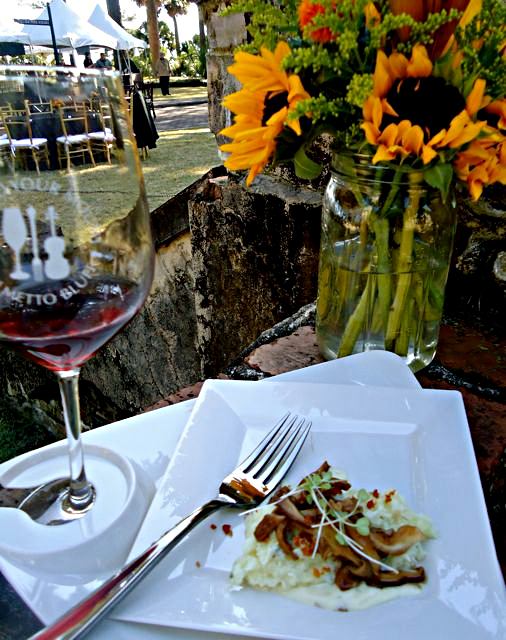
Chef Matt Jording of the Sage Room on Hilton Head prepared this dish: Parmesan and Crab Rissoto Cake, Bacon Buerre Blanc, Truffled Shiitake at the Culinary Showcase held during Music to Your Mouth 2011.

Gail Simmons of Food Network fame and local Chef and Food Network Star Contestant Orchid Paulmeier entertain the crowd up on the expansive demonstration stage at the Culinary Showcase.

The Culinary Showcase tent and artisan promenade light up the green lawns of Palmetto Bluff (that’s the May River beyond the live oak trees).

The Store is, well, a store that features vintage household items and real honest-to-goodness antiques. The centuries old building is in Old Town Bluffton on Calhoun Street.

Bluffton is also an art-town with many working artist studios and galleries located in renovated cottages in Old Town.

The May River and salt water estuaries (the marsh) are a place for play and work in Bluffton. Here are shrimp and fishing boat moored to a dock on the May. Also of note are the “pocket parks” the town is creating in the historic Old Town. Open to all, some have awesome views like this one.

There are several festivals in the Bluffton area (including Music to Your Mouth). The Bluffton Village Festival is in May, the Art & Seafood Festival in October and the totally unique Christmas Parade in December. Many merchants (including artists) offer their wares for sale – like this pretty painted furniture.

Live music is almost always on tap for Bluffton festivals . Check out the accordion! There was also a band member playing the wash board but he stepped out of the picture. Even the weekly Bluffton farmers market features live music.

A pretty clematis vine grows among the azalea bushes and honeysuckle at the pocket park.

Seven Oaks was constructed in 1850 and has been carefully restored in a manner typical of antebellum homes. It’s located near the end of Calhoun Street, close to the Church of the Cross and May River.

A good loaf: 1-2-3 Bread

Hi all you bread makers out there! Does the summer get you down a little? With the warm weather, most people don’t seem to relish the thought of baking bread, well, except for me, I guess. That’s because I like to bake bread any time of the year and with that thing called “air conditioning”, I actually have a good non-humid environment in my kitchen to work.

Bread has been a great love and an enemy to me throughout my life. That being said, I adore good bread but it means carbohydrates, which are definitely not a friend to my waistline (or my hips or my arms or my….you get the drift). My compromise is to eat ‘good’ bread, which is bread that has at least some whole grain and thus fiber, and to limit the amount of bread I consume.

I find this the most difficult at quality restaurants, where the bread-basket can be unlimited and warm out-of-the-oven bread is served with real butter or better (or worse!) honey butter. At one of our favorite local restaurants, Plums, they serve the their homemade yeast biscuits with pecan butter (with a touch of honey, I think). This is so difficult for me to resist that I am trying to devise some kind of psychological ploy to trick myself into not devouring 2 or 3 before my entrée arrives. People stare when I literally sit on my hands or gnaw at my fingers so I’ll let you know what I come up with…

Recently, I did create my own bread recipe that is both reasonably healthy and tasty. It received the thumbs up from Dear Hubby and Girly Girl so I’m proud to present my “1-2-3 Bread”. The name came from two obvious ingredient amounts in the recipe: 3 types of flour and specifically 1 cup of whole wheat flour, 2 cups of bread flour and 3 cups of all-purpose flour (well, about 3 cups – more or less). The flour combination is great – for a rich but not heavy dough.

This recipe makes 2 large boules or 3 loaves so freeze a loaf or two for later if you like. Note the frozen dough will not rise quite as high as freshly made dough because some of the yeast may die when frozen – but the frozen-dough will still do fairly well, have a nice crumb and a chewy consistency. The molasses and the buttermilk give the bread zing and I feel pretty good about eating some whole grain, plus the aroma of fresh baking bread is the best air freshener I know.

Ingredients for 1-2-3 Bread. Can you tell I like King Arthur Flour? I find it to be the most consistent in quality for my baking.

Pour the scalded (but NOT boiling) milk and water into the yeast. The water should not be hot, just slightly warm. Hot temperatures will kill the yeast at this point!

Add the molasses to the yeast/milk mixture. Molasses gives just a touch of sweetness which is not really discernible in the baked bread.

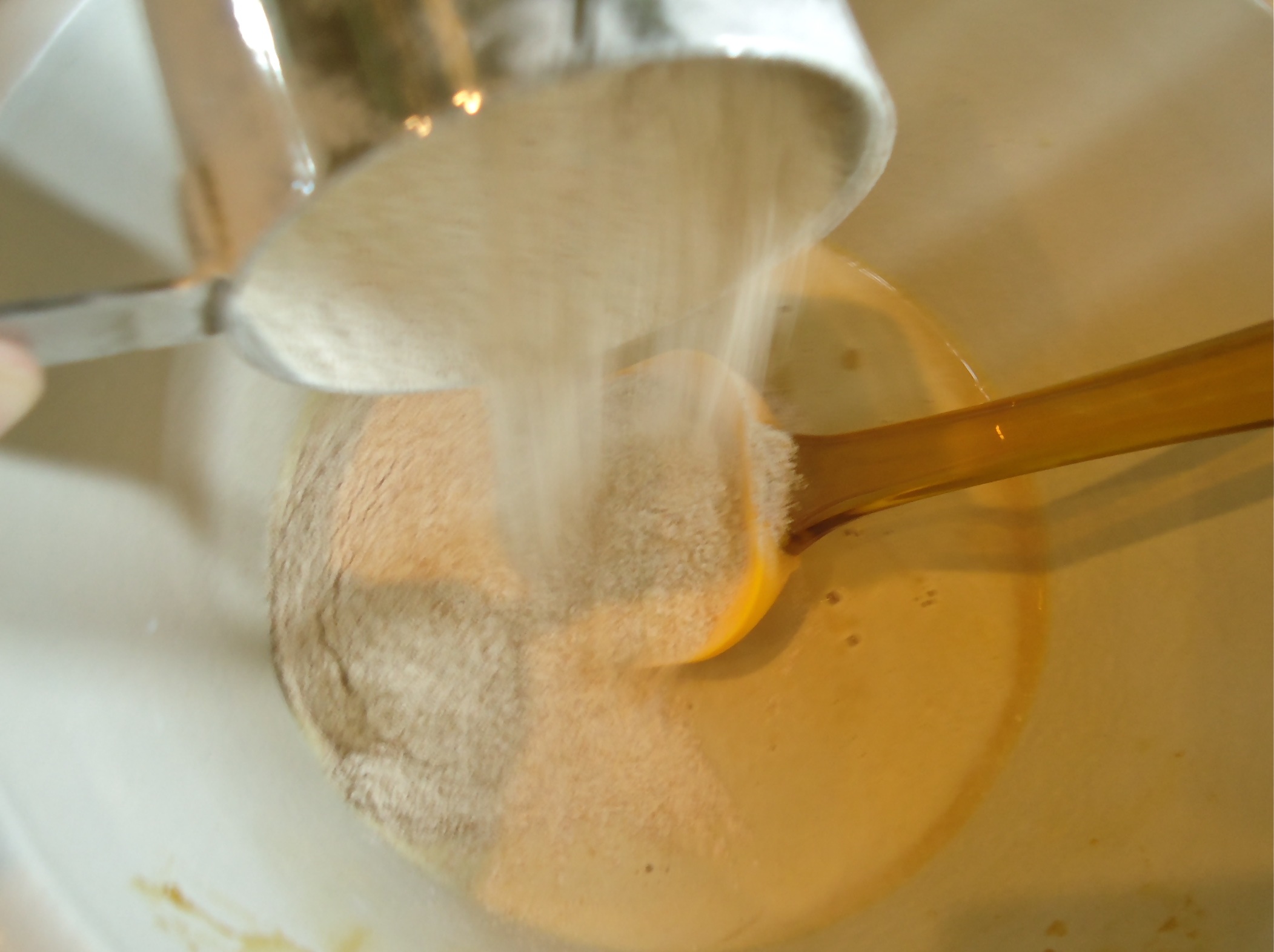
Add the whole wheat flour and the bread flour and mix well.

After sitting for 20 minutes the dough will be spongy.

Add the egg/butter mixture to the spongy dough and mix with a spoon or spatula.

Mix in more flour (the all-pupose flour) and the dough will come together and not be quite as sticky. Once you can handle the dough…

Knead the dough by adding a small amount of flour, incorporating it into the dough. The steps to knead are the following:

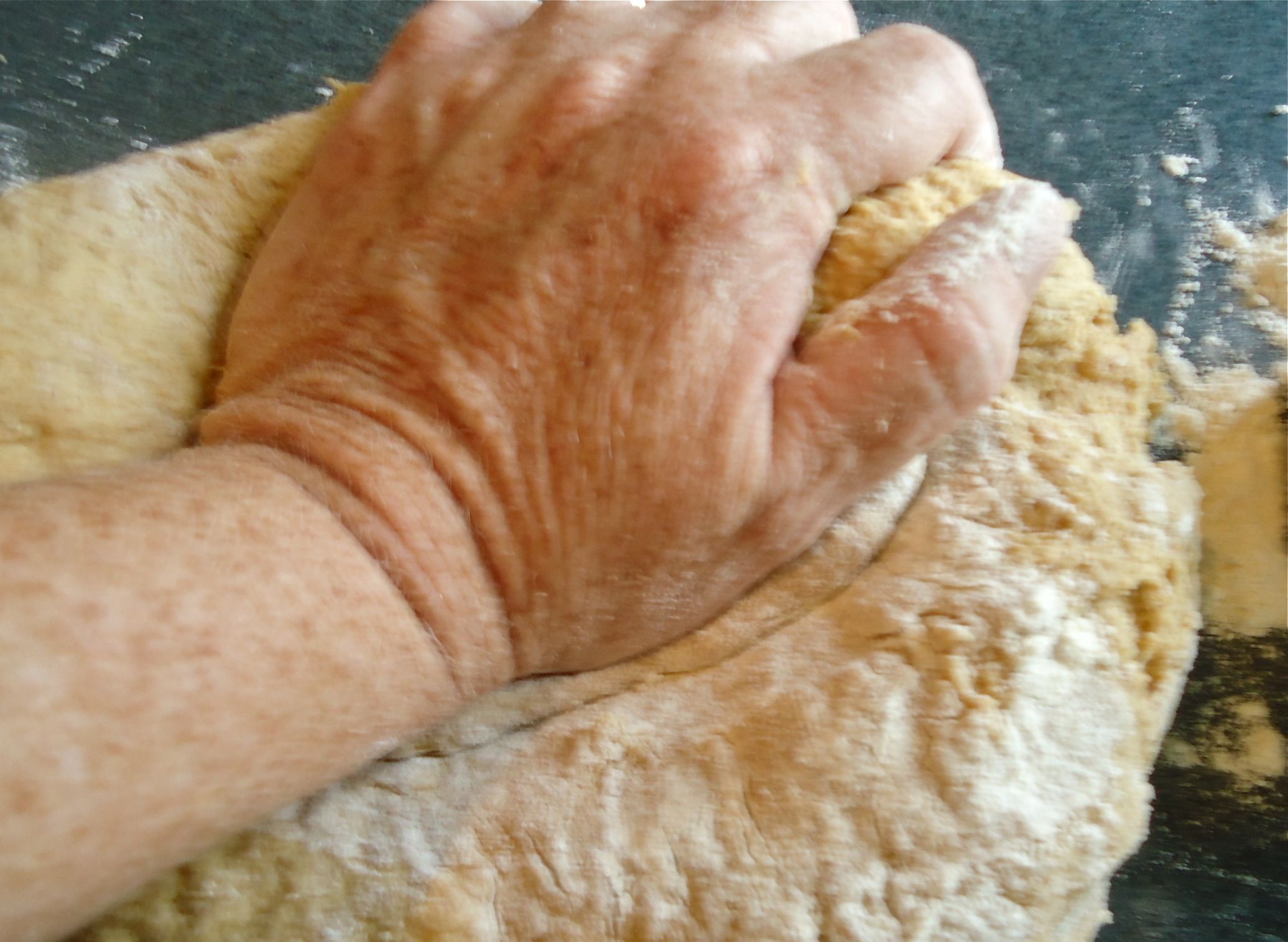
Sprinkle with flour and fold dough over slightly, then…

push the dough back with the palm of your hand.

Turn the dough ball approximately 45 degrees and repeat the steps: sprinkle with flour, fold over the dough and push back with the palm of your hand. This is called “kneading”. You will do this for 10-12 minutes or until the dough is not sticky, but elastic.

Place the kneaded dough in a greased or buttered bowl. Cover with a cloth and set in a warm (but NOT hot) place to rise for about 1 hour. Do not sit directly on heat.

After an hour or so, the dough will rise to about doubled in bulk.

Next, squeeze the dough or “punch it down” as shown here. It will deflate. Remove the dough to a clean surface to divide in half or thirds.

I divided this dough for 2 loaves or boules. The one on the right is going to be part of dinner tonight. The other boule is going into the freezer. After it is well frozen ( 2 hours or so ) I will wrap it up tightly with plastic wrap and store in the freezer for a week.


Allow the loaf (or boule) to rise again in a warm place for about an hour. Here I sliced an “x” into the top of the boule (before allowing it to rise!) and gave it an egg white wash just before popping it into a hot 425 degree oven.

1-2-3 Bread 

  • 2 packages dry yeast
  • 1 cup water, barely warm
  • 3 tbl. molasses
  • ½ cup milk scalded
  • ½ cup buttermilk
  • 1 egg, beaten
  • 3 tsp. salt
  • 2 tbl. butter, melted but cooled slightly
  • 1 cup unbleached whole wheat flour
  • 2 cups unbleached bread flour
  • 3 cups unbleached all purpose flour

In a large mixing bowl combine yeast, water, molasses and milk. Allow to sit 5 minutes. Whisk in the buttermilk. Add the whole wheat flour, bread flour and salt. Allow to sit for 20 minutes at room temperature. In a separate bowl whisk egg with butter. Add this to the yeast mixture. Mix in 1 more cup of bread flour and using about ½ more cup at a time mix in the all-purpose flour to make a soft dough. Note that you may only add in 2 cups of all-purpose flour to the dough, but knead in the other cup. Knead about 10 minutes using as little all-purpose flour as required to get reduce stickiness of the dough.

Place kneaded dough in a greased bowl and allow to rise until doubled in bulk, about an hour. Punch down. Divide in half for 2 boules or into 3 parts for 3 loaves or pinch into 3 inch pieces for rolls*. Place into greased pans and allow to rise again for 1 hour. Preheat oven to 425 degrees.

Bake in the preheated oven about 25-30 minutes for the large boule, 18-20 minutes for the loaves and 13-15 minutes for the rolls. Cool on wire rack.

*At this point you can freeze the dough in a flattened disk. Be sure to wrap well to prevent freezer burn. When ready to bake, allow to defrost n the refrigerator overnight. Then let dough rise and proceed with rest of the recipe.

Winner, winner…sticky toffee banana pudding – for dinner?

Have you been enjoying the London Olympics? Our family is burning the mid-night oil this week, viewing much more television that normal. How about that Gabby Douglas? Not to mention Missy Franklin and world-record setting Rebecca Soni – it’s been exciting to see our teams do so well this time  and during this Olympiad sharing the excitement with our 4-year old has been a treat. Yes, we‘ve let her stay up late to watch. Perhaps we’ll pay for that after another week (when she’ll go back to a normal bedtime), but the summer games are only every 4 years, so what the hay?

I remember seeing many spectacular moments as I watched the games throughout my childhood. Let’s see… Mark Spitz winning 7 gold medals and setting 7 world records, Nadia Comaneci awarded a perfect 10 for her uneven bar routine and the 1996 ‘Magnificent Seven’ winning gold in Atlanta. I was very lucky to attend the games in ‘96 and although I did not get to attend any gymnastics I did go to some diving, baseball and celebrate at the Warsteiner Village with some refreshing Premium Verum and Dunkel.

This time around I am enjoying seeing the sights around London and remembering the trip I made there several years ago with two of my sisters. Cudos to the London Olympic Committee and the all British travel professionals because I really want to go back now. During my previous excursion, our accommodations were a pretty flat located very near Buckingham Palace that boasted a terrace view of Big Ben. We took in many of the regular touristy sights (love that British Museum as well as the Tate) and saw the show “Chicago!’ (ironic to see it in “London!”), visited Greenwich (of ‘Mean Time’ fame) and had several delightful meals around town including lunch at The Ivy, where we lucked into a reservation at a moment’s notice.

As I remember all three of us ordered à la carte and everything we ate (and shared) was quite good. Being a foodie-type person even then, I had done my homework and knew something about The Ivy and it’s fabled sticky toffee pudding. As stuffed as we were from our entrees and as one sis left to work (that’s we were able to tag along on the trip), my other sister and I hunkered down for dessert. I was not leaving without that sticky toffee pudding! In fact, I think I inquired if they had it on the menu that day before we were even seated.

Needless to say the pudding was more than I had hoped for, it was rich and dense and gooey with toffee/caramel flavor. It was simply fantastic. I’m pretty sure I rolled myself back to the flat for a power nap afterwards.

My new purpose in life was to recreate it, once I returned home. I found The Ivy recipe and had fun making it a few times for dinner parties, telling anecdotes from my trip to London and The Ivy. Over the years I have played around with the original recipe, making additions occasionally and reducing the serving quantity. Honestly it is a very rich dessert, so a little goes a long way.

It’s my small homage to the Brits and London, in particular. Here’s to you London for being a great host of the games this time around. Nice to see you on the telly, but I do hope to visit again in person. Cherrio!

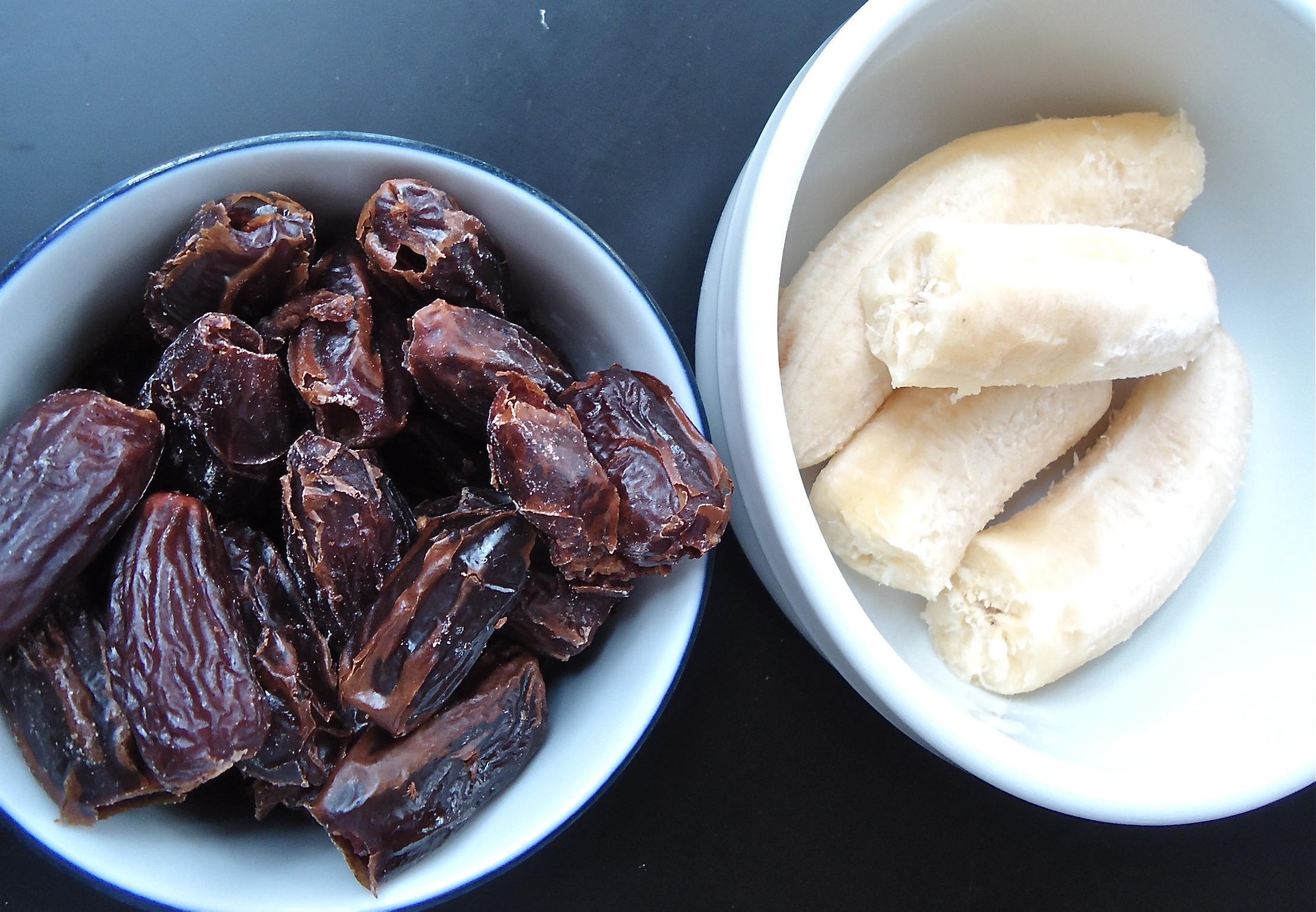
Use good quality, pitted dates and ripe bananas.

Mix the oil and sugar in a mixing bowl.

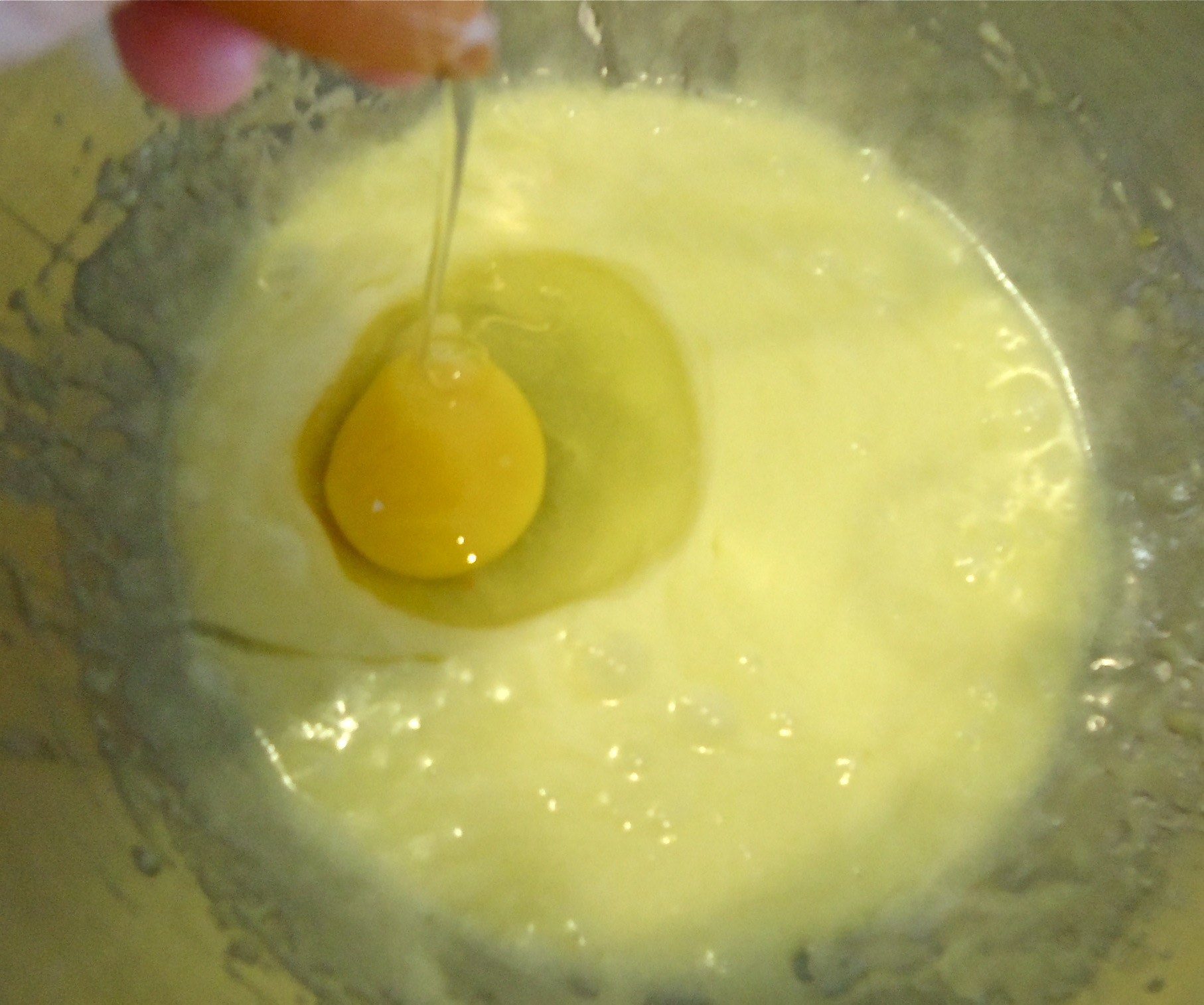
After the butter add the eggs one at a time. Mix well, scraping the bowl if necessary.

Add the flour mixture to the egg/oil/sugar mixture. Then add the vanilla extract.

Add the pureed dates to the batter. You can see the consistency is chunky but moist since soaking them in the hot water.

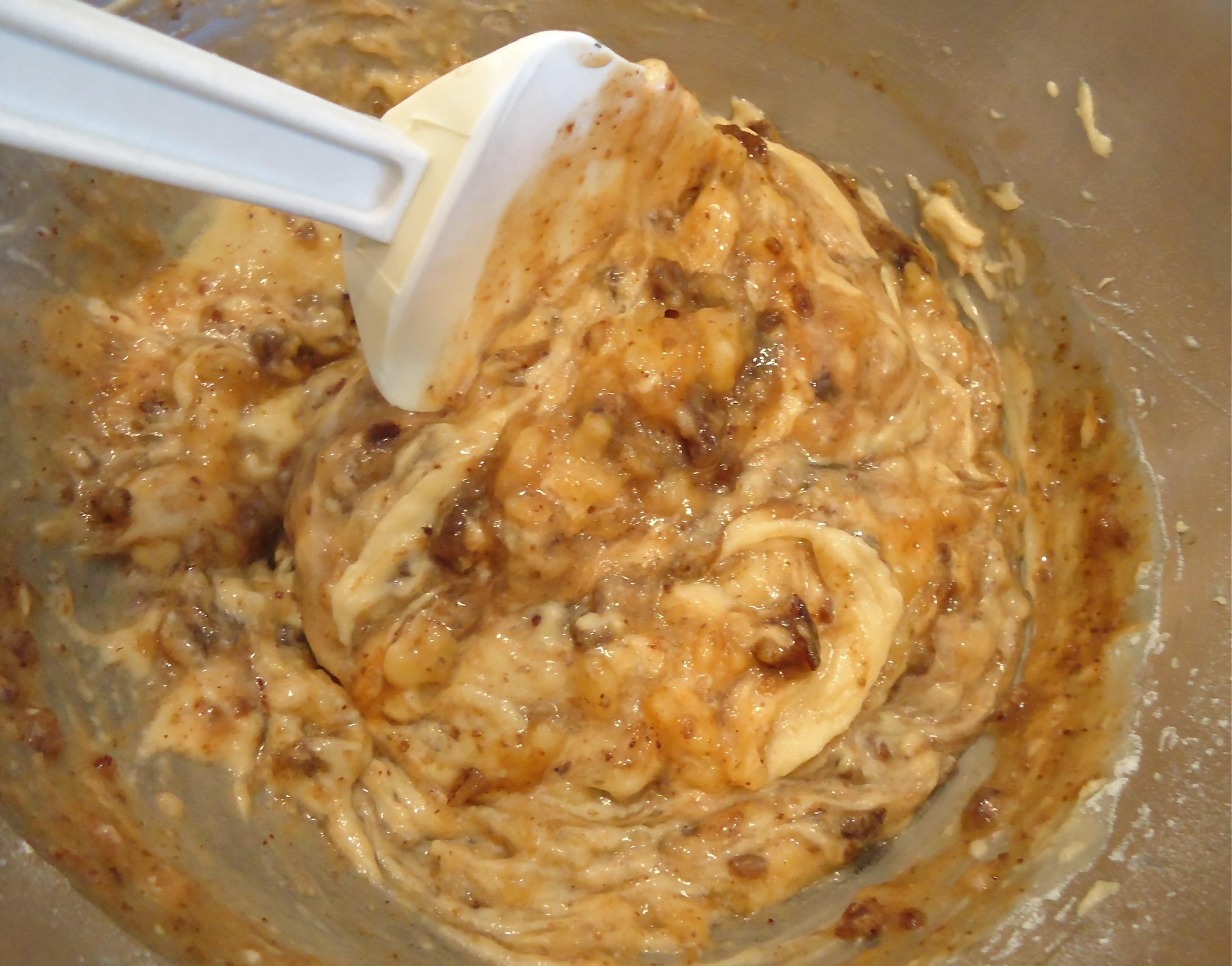
Here’s the batter as I stir in the dates and banana. Almost ready for the baking pan!

Pouring the batter into the prepared pan.

The baked pudding. Leave it in the pan because we are going to smother it in ooey, gooey toffee sauce!

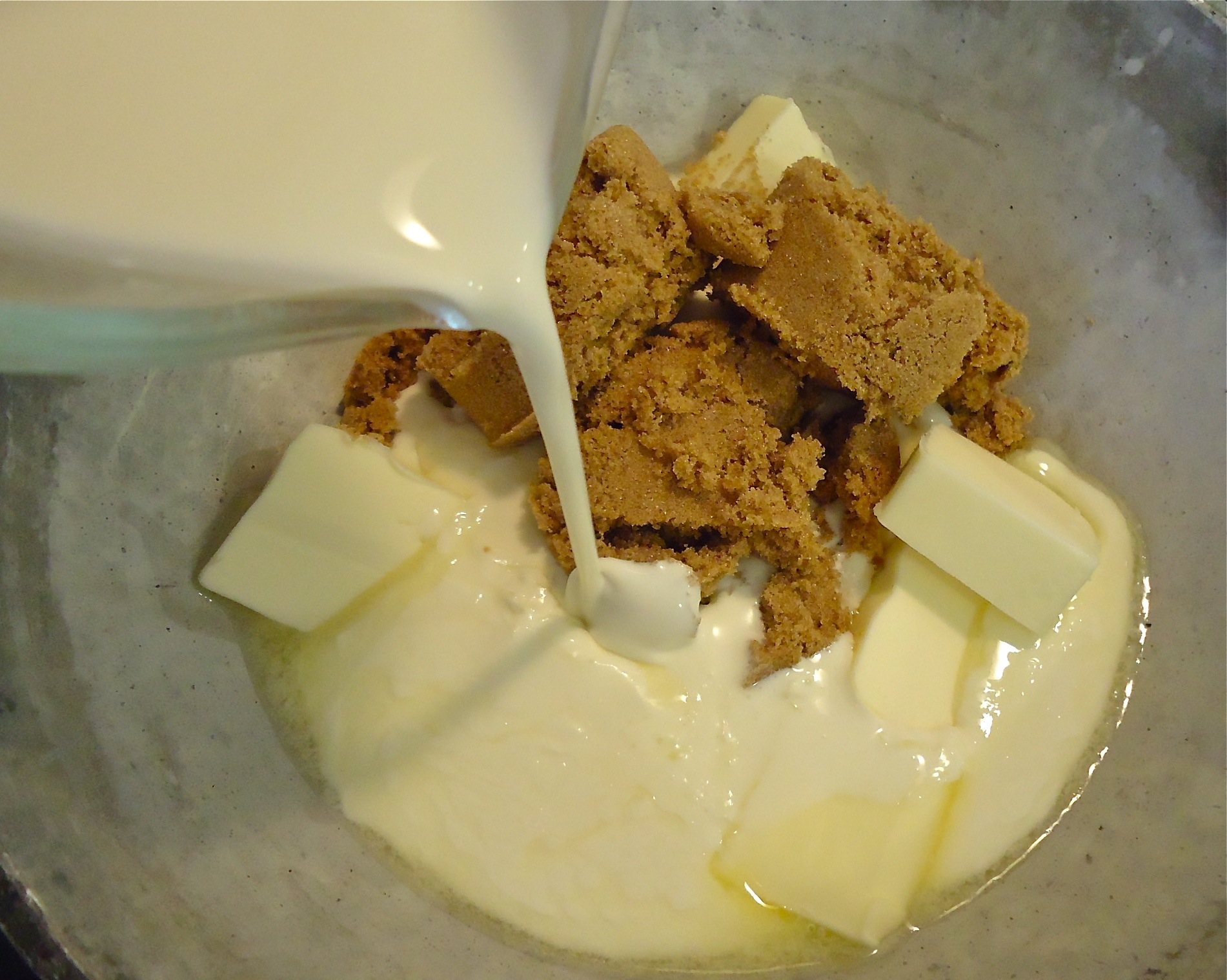
This toffee/caramel sauce is so easy to make. Melt the butter with the brown sugar over low heat. Add the cream.

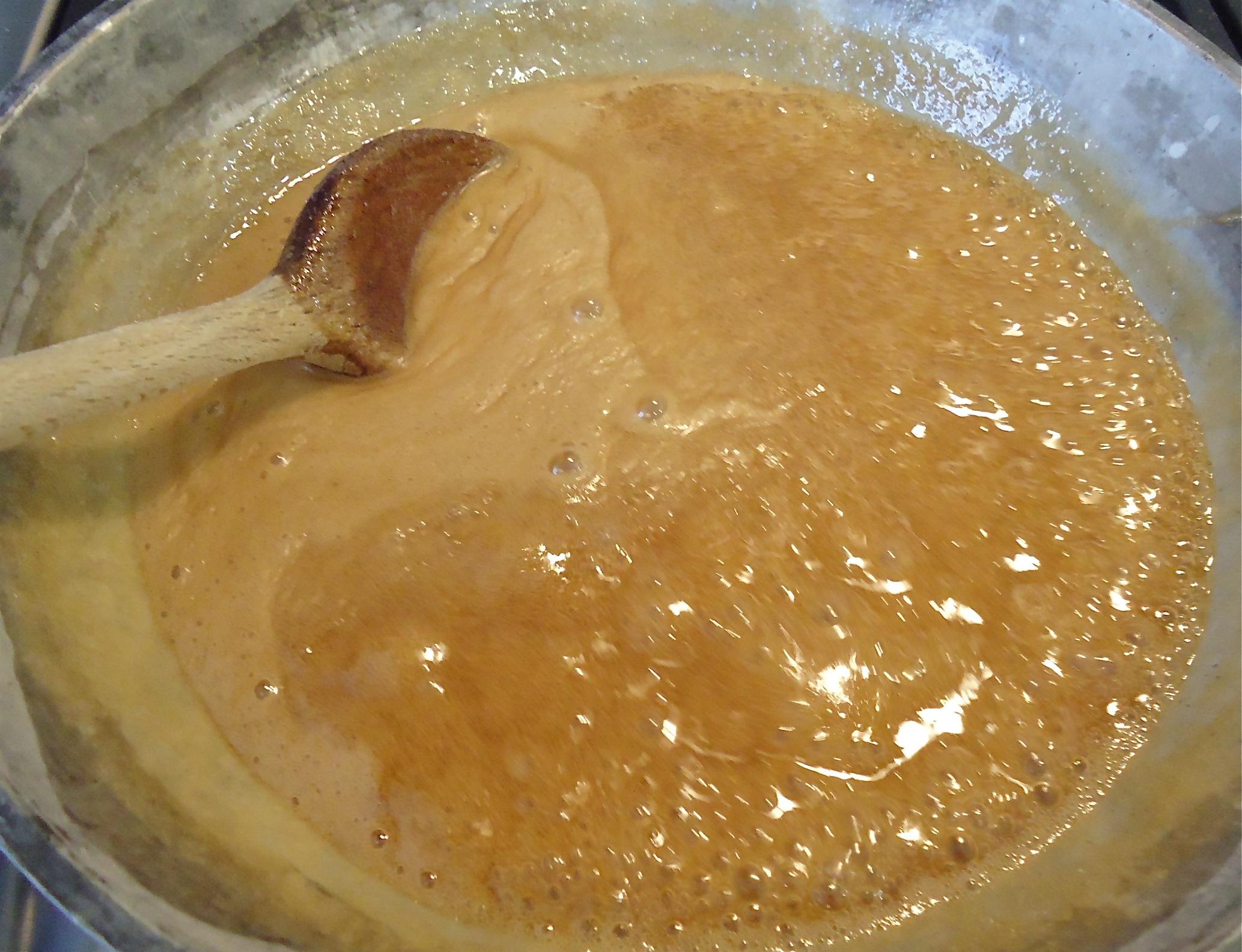
Next turn up the heat but keep stirring. Bring to a simmer and when the mixture starts to foam remove from the heat. Sir in the vanilla extract.

Using a skewer poke holes in the pudding in an even pattern. Pour about half of the hot toffee sauce over the pudding. Allow to ‘soak’ at least 15 minutes before serving.

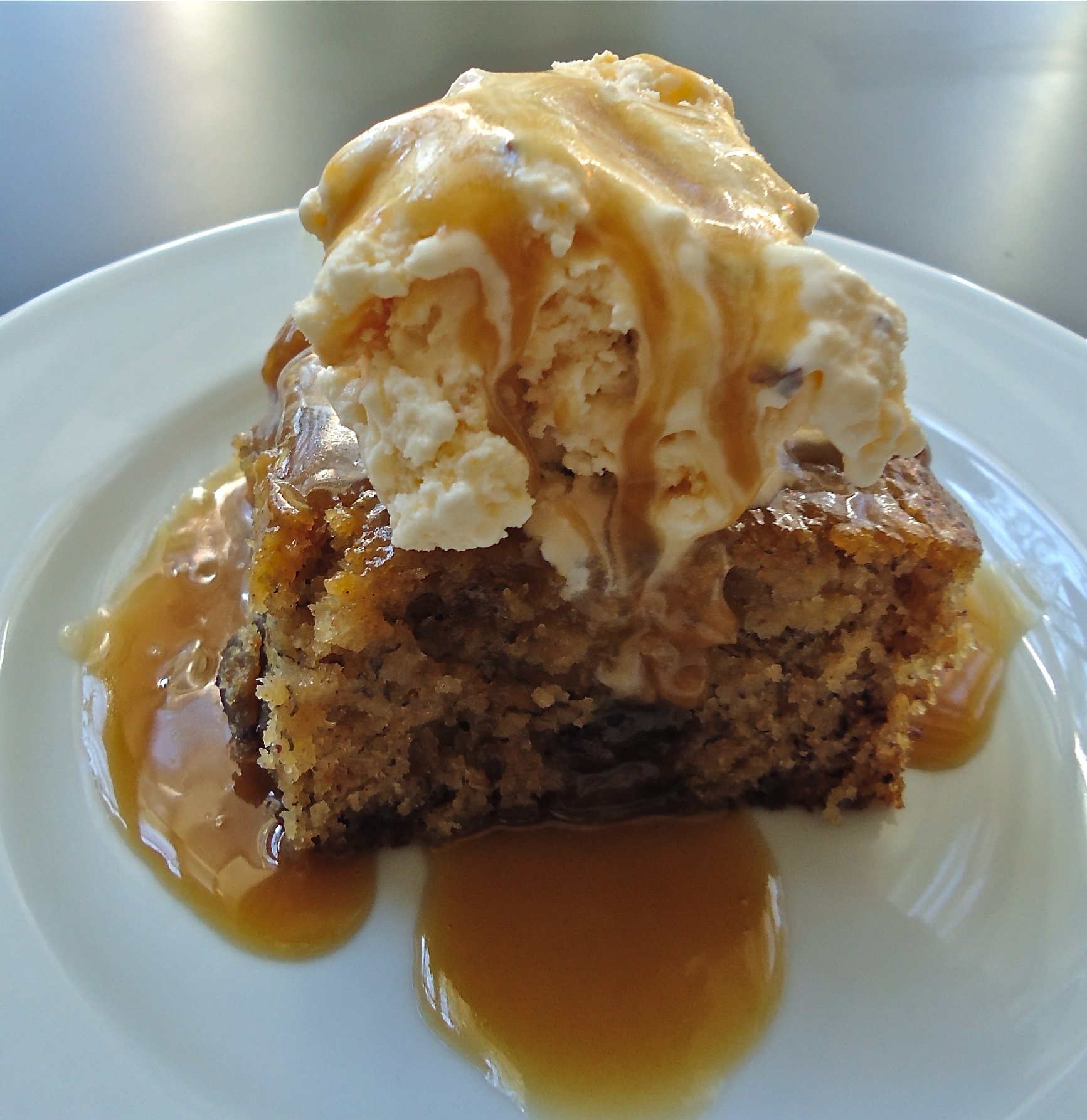
Another shot of the finished sticky toffee banana pudding. Yummy!

Sticky Toffee Banana Pudding

  • 1 cup pitted dates, rough chopped
  • 1 cup ripe bananas, mashed
  • ½ tsp. baking soda
  • ½ cup boiling water
  • 1 cup all-purpose flour
  • 1 tsp. baking powder
  • ½ tsp. salt
  • 2 tbl. butter, melted
  • ½ cup sugar
  • 2 eggs
  • 1/3 cup vegetable oil
  • ½ tsp. vanilla extract
  • 1 recipe caramel toffee sauce (see below)
  • ice cream, whipped cream or crème fraiche

Preheat oven to 350 degrees. Oil or butter a 8 or 9 inch square baking pan.

In a bowl place dates and pour boiling water. Allow mixture to sit for 10 minutes. Place dates and soaking water in food processor and chop until fine – almost a puree but with keeping some small bits. Add the baking soda and set aside.

Sift flour, baking powder and salt and set aside. In a large mixing bowl beat vegetable oil and sugar. Add melted butter and mix. Add egg one at a time, mixing well after each. Mix in vanilla extract and stir in the flour mixture. Beat on medium speed 1-2 minutes, scraping bowl. Stir in dates and banana.

Pour batter into prepared pan and bake 20-23 minutes or just until the center of the pudding is not jiggly in the center. Do not over bake. Remove pudding to a rack to cook – but leave in the pan! Make the caramel toffee sauce (below).

Using a skewer punch holes across and all over the top of the pudding. Pour half of the hot caramel toffee sauce over the pudding so it soaks in for at least 15 minutes. Cut warm pudding into squares, top with a dollop of whipped cream, vanilla ice cream or crème fraiche. Drizzle a spoonful (or two!) of caramel toffee sauce.

Make 6-9 servings. Store leftover pudding, covered, in the refrigerator.

Caramel Toffee Sauce

  • 2/3 cup  dark brown sugar, packed
  • 6 tbl. butter
  • 2/3 cup heavy cream
  • 1/2 tsp. vanilla extract

In a saucepan, heat the butter with the sugar over low heat. Add the cream and stir. Increase heat to a simmer and keep stirring. When the mixture begins to foam, remove from the heat and stir in the vanilla extract. Pour half over the pudding & reserve other half for serving with individual portions of the pudding. Refrigerate any leftovers.

Ramblings: Dog days of summer arrive with football, fresh figs and… optimism?

Ahhh, so it is August 1 and the proverbial dog days of summer have arrived here in the Lowcountry. Like clockwork, I opened the door this morning to be greeted by what my Dear Hubby describes as, “an all-enveloping blanket of humidity and heat”. Like a burning, slow motion tidal wave, it affects pretty much everything and everyone in its path from now until mid-September.

Add to this the low-slung haze and the oppressive daily heat index, and people around these parts either high-tail it for cooler temps, say in the elevations of  western North Carolina or Virginia for a week or two, or they simply learn to appreciate the annual scorch-fest known as August.

Now, it’s been hot here pretty much all summer – we did have a few days in the 80’s during June – but most days were measured in the high 90’s and last week the thermometer called in sick after registering 110 degrees for three days in a row. Lots of places around the country have been h-o-t and you’d think us Southerners would be “used” to it. Well, this Southerner is not.

This is not my favorite time of the year. In fact, to me there are only 3 good things about August:

  • Knowing that in about 6 weeks, it will be over for another year
  • College football season begins
  • Local figs are finally ripe

Well, if one can find figs, they should be in-season in my area in August. I am in an all-out hunt for local figs now, so “God willing and the creek don’t rise”, in the next 2 weeks or so I’ll have some figgy recipes to share.

In my parents yard, there were three fig trees – well, until my good-intentioned father pruned one to death, then we had two. They produced abundant crops of figs, if we could keep the birds (and the neighbors) out of them. My mother always made whole fig preserves, which like chow-chow and other oddly old-fashioned and quirky preserves, was not a favorite of mine until I got older and grew into my taste buds.

The common fig (Ficus carica) is native of the Middle East and was one of the first plants cultivated by humans. It was a common food source for the Romans and used to fatten geese for the production of a precursor of foie gras.

Fresh figs are one of nature’s most wonderfully tasting foods – if you’ve never had them – or rather, never had sweet, ripe ones – that is a real shame. Obviously running out the screen door and picking them at will off your mama’s tree is preferred, but I have bought decent figs at the farmer’s market since my mama’s yard is not in close proximity. I have also purchased mediocre ones from the grocery store, when my craving for fresh figs was high, my willpower was low, and no fig trees in northern Alabama.

Preserved figs are now one of my favorites and next to homemade apple butter, the thing I desire most on my breakfast biscuit. Pureed preserves also make a wonderfully moist addition to spice cake batter and a tasty morsel on the cheese board.

Another detail about fig trees is that they go completely bare during the winter. All the leaves drop and the stark and naked tree is left to over-winter. If one does not realize that it is a fig tree, and have the faith that it will bloom anew in the spring and bear fruit after a long (hot) summer, you would think it’s all she-wrote for that tree. But then, spring arrives and the leaves sprout, buds bloom and if the pruning shears have been left alone, all is well again with that fig tree. Take a bite of a fresh picked, ripe fig and you’ll understand what I mean.

It takes all kinds – all types of people, events and things to make the world go round, I suppose – even the dog days of summer.

“Nothing great is created suddenly, any more than a bunch of grapes

or a fig. If you tell me that you desire a fig. I answer you that there

must be time. Let it first blossom, then bear fruit, then ripen.”

– Epictetus


Pucker up for crispy bread & butter pickles

If there is one thing always to be found in my refrigerator it’s a jar of bead and butter pickles. Of course, I am particular to my own pickles or my Mothers and store-bought really will not do at all. These sweet and tangy pickles are the first thing I learned to “put up” and I remember vividly waking up to the aroma of vinegar, onions and tumeric wafting through our house on a summer Saturday morning.

It makes my mouth pucker up just thinking about it. But it also makes me smile, reflecting on how familiar that smell is and how I knew exactly what was happening and what was going to come to pass later that day.

The pickle production line – gurgling pots and steaming jars. My mother announcing that all dogs and small children must stay out of the kitchen, which meant our Pekepoo mix, Pepper, and my brother. I was usually allowed to watch the proceedings IF I was quiet and not under foot. I may even be allowed to hold the funnel over the jars with potholder-covered hands. In the least I would get to “test” the filled jars for a seal – the popping sound snapping back at me as I dutifully pressed and checked the lids like a Vlasic quality control inspector.

Over the years I have found the value of homemade bread and butter pickles to be incalculable. The actual pickles, the onions and the juice have made their way into so many other favorite recipes, which surely would be far less enjoyable without the tart-n-tangy pickle. From deviled eggs to curry chicken salad to pimento cheese and yes, barbeque sauce (!), a jar of bread and butter pickles is the MacGyver of the kitchen pantry – but without all those pesky explosions.

My mother usually makes her bread and butter pickles sans the overnight lime soak. However, I adore the crispness produced with this method so I find it worth the extra steps. Another difference is the thickness of the cucumber slices – my Mama always slices them paper thin, but I prefer a heftier portion per slice. This year a request was made for more onions so I actually almost doubled up on sweet onion – they are great on sandwiches. Chop them up with some pickle slices and voilà, relish. MacGyver should be so resourceful!

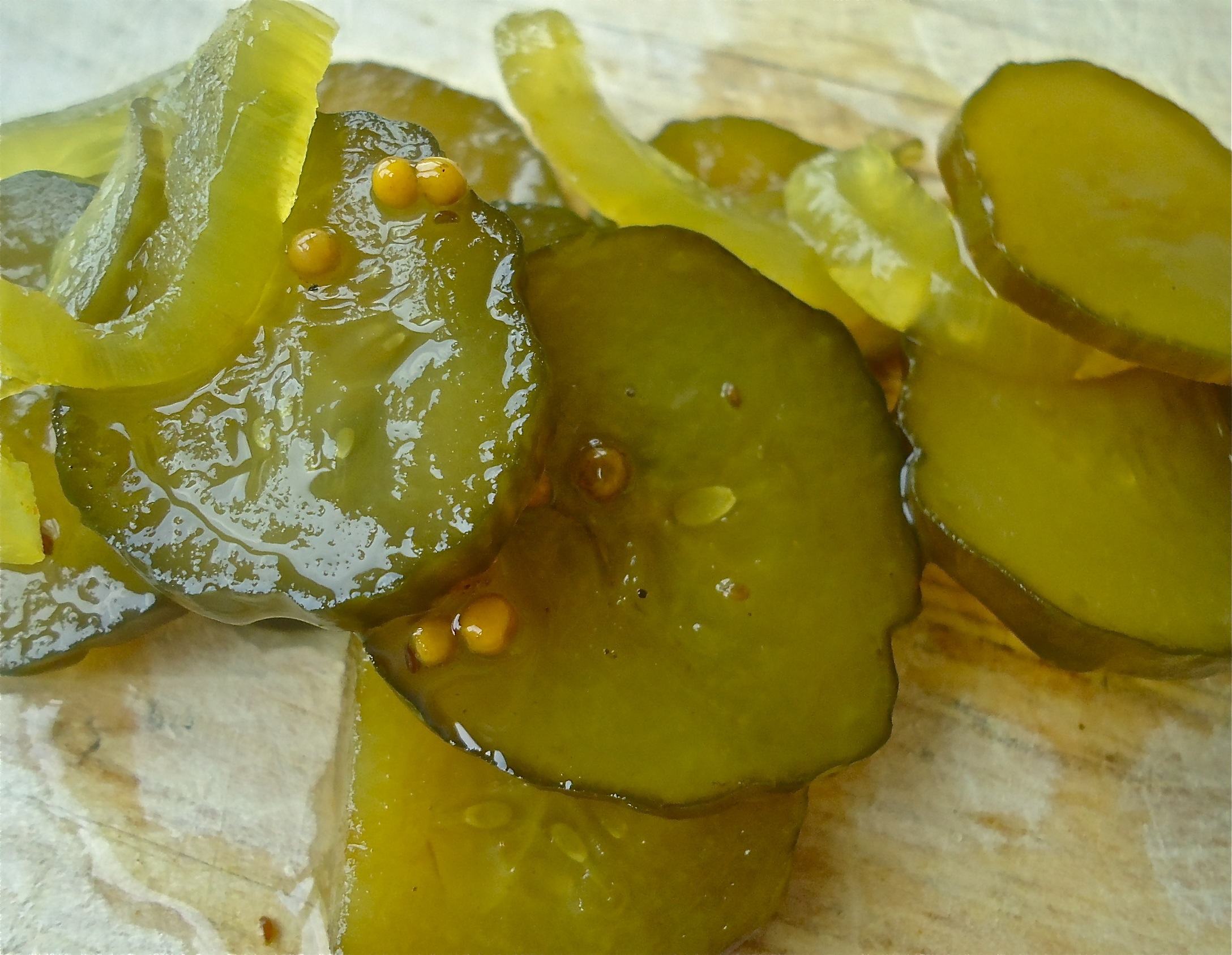
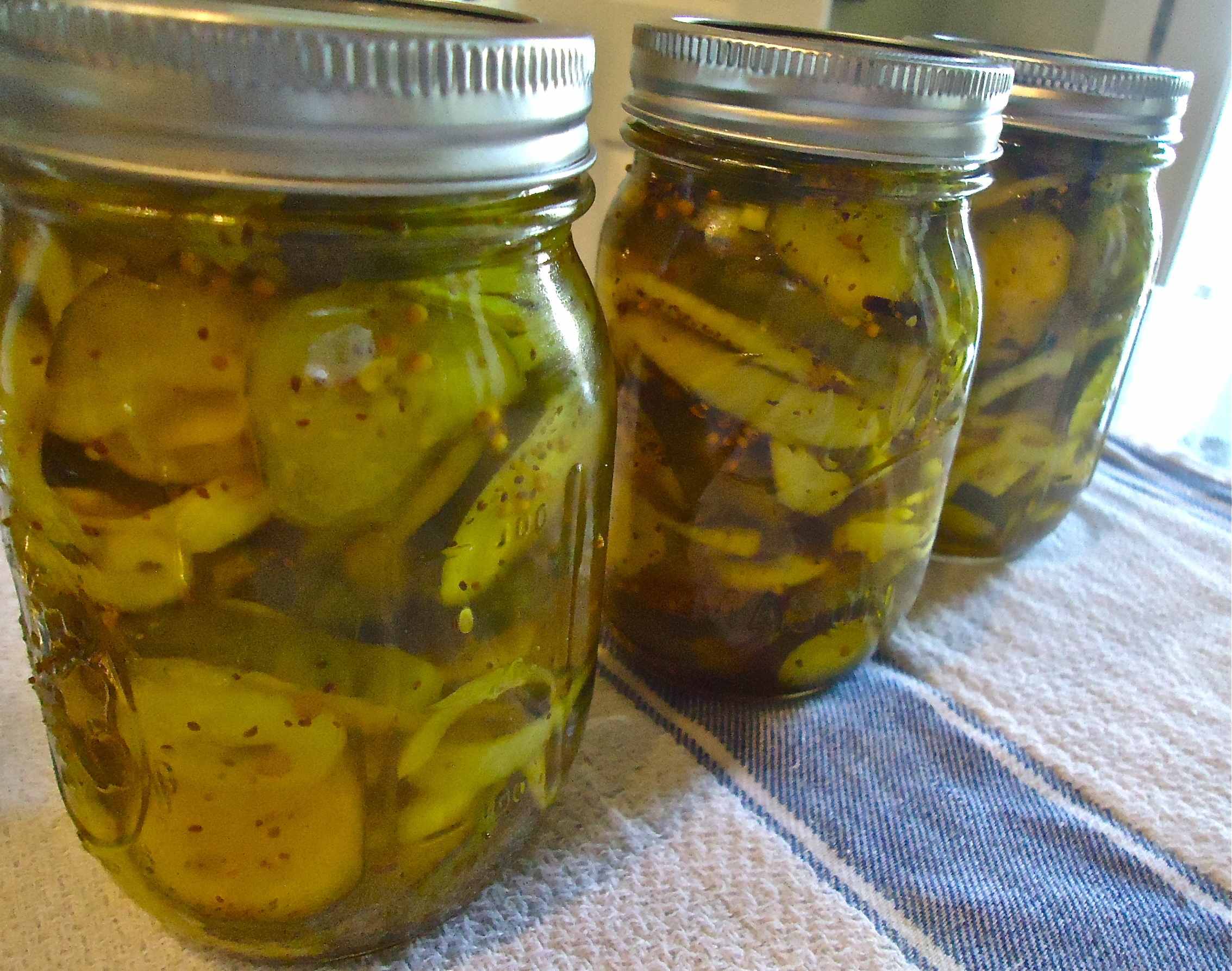
A look at the finished product – a little inspiration to start.

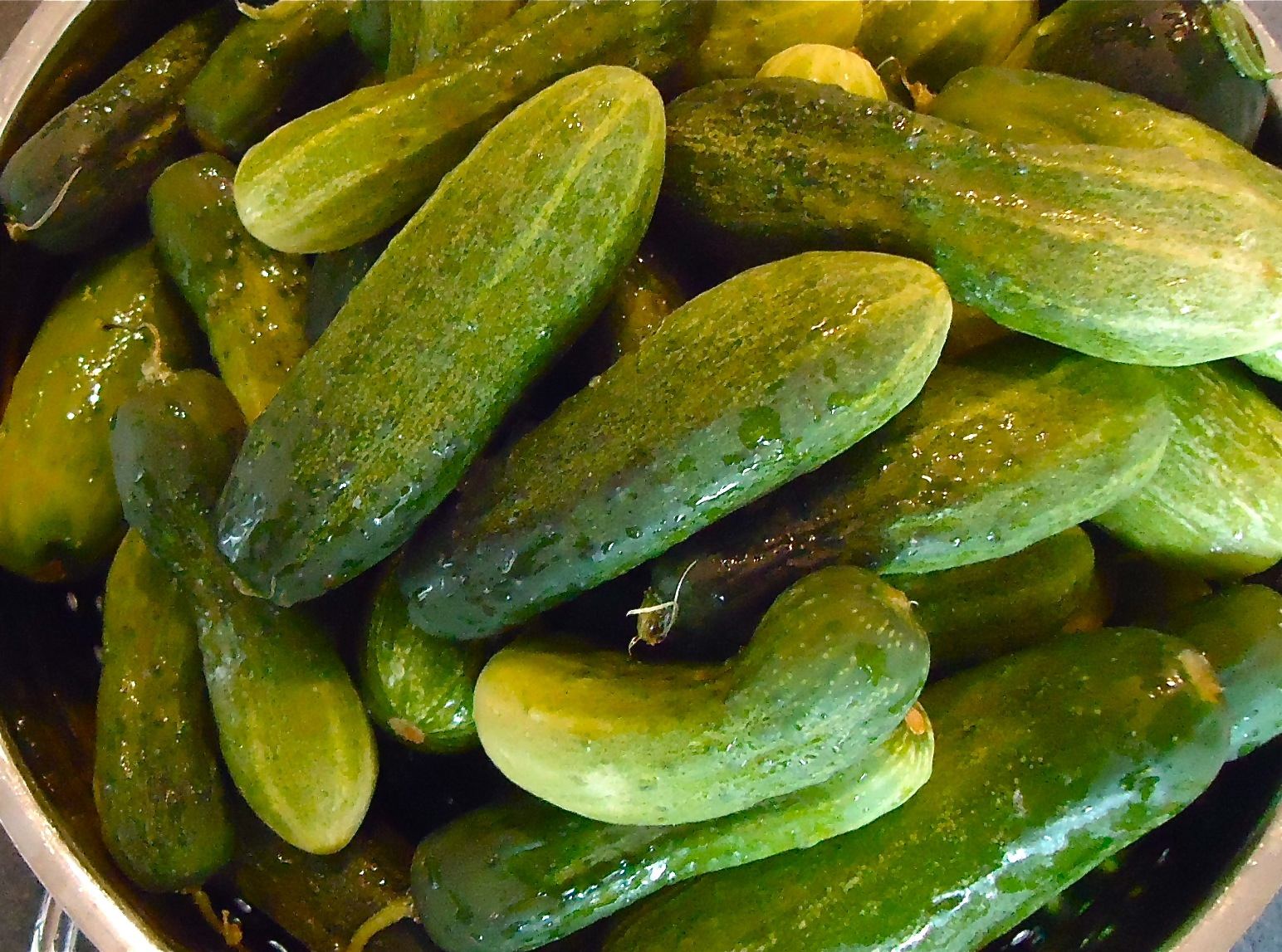
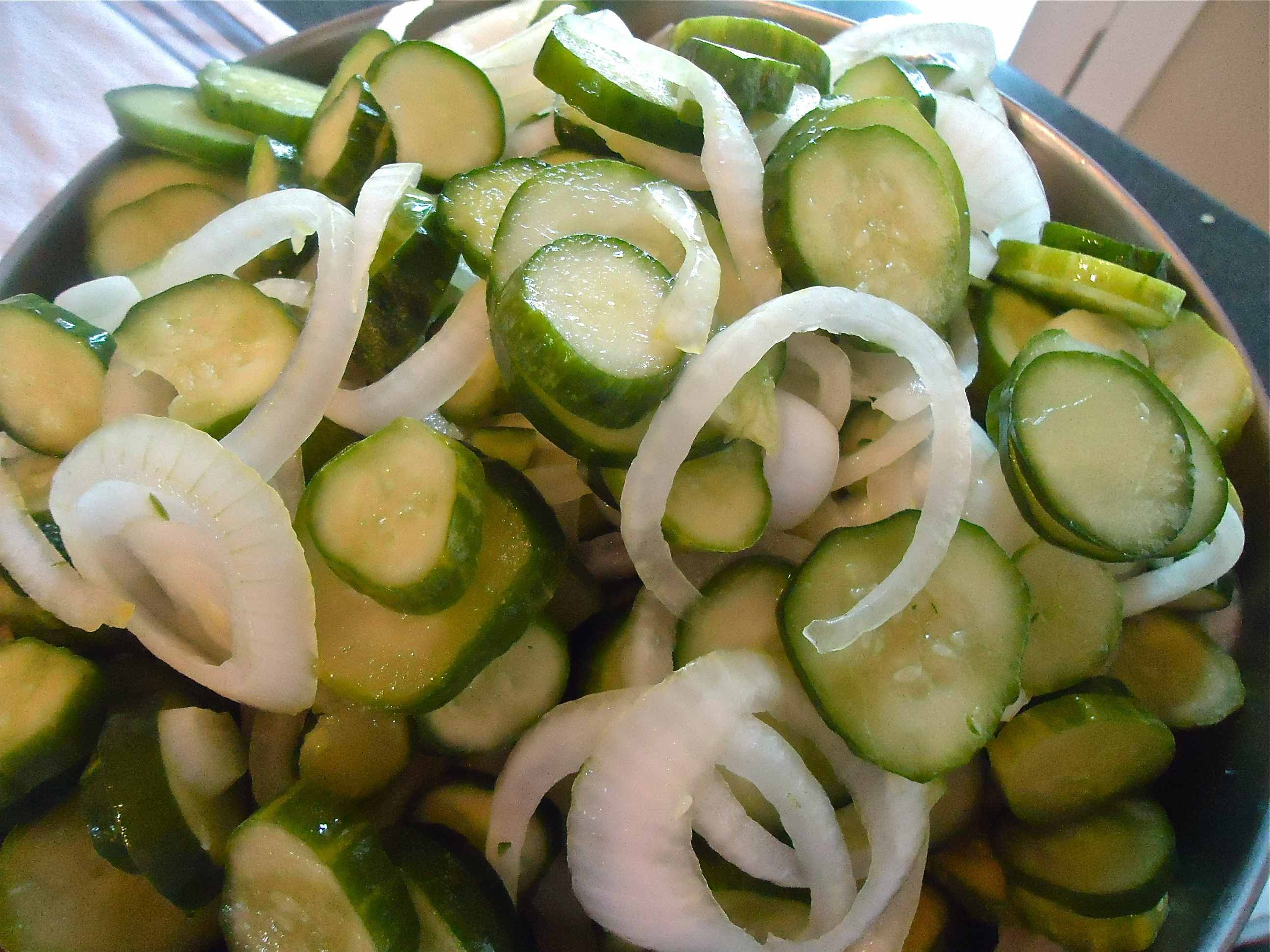
These cucumbers are about to become pickles, well, in about a day.

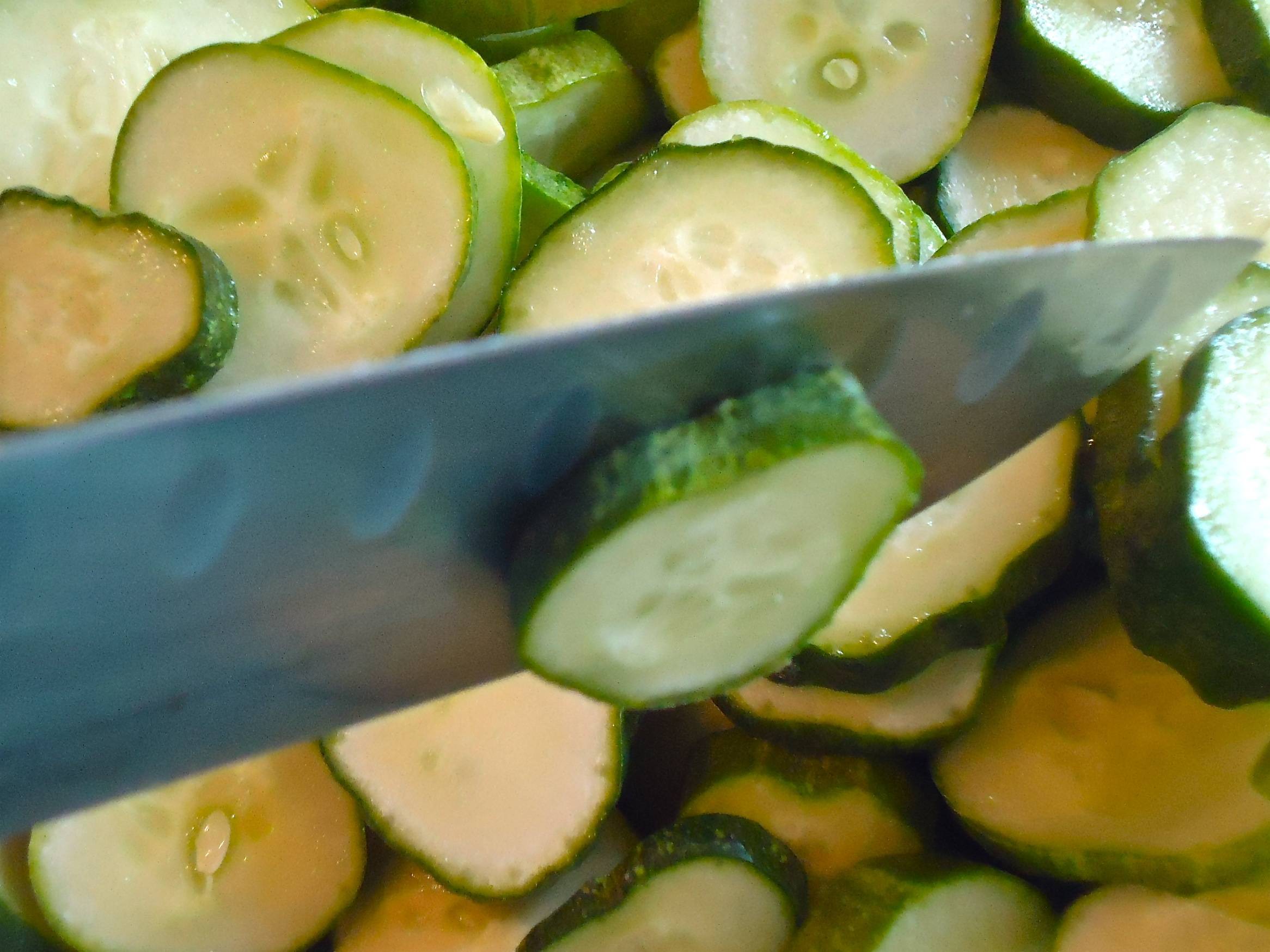
Here’s a slice to show the thickness. Of course, you can slice the pickles thicker or thinner, your preference.

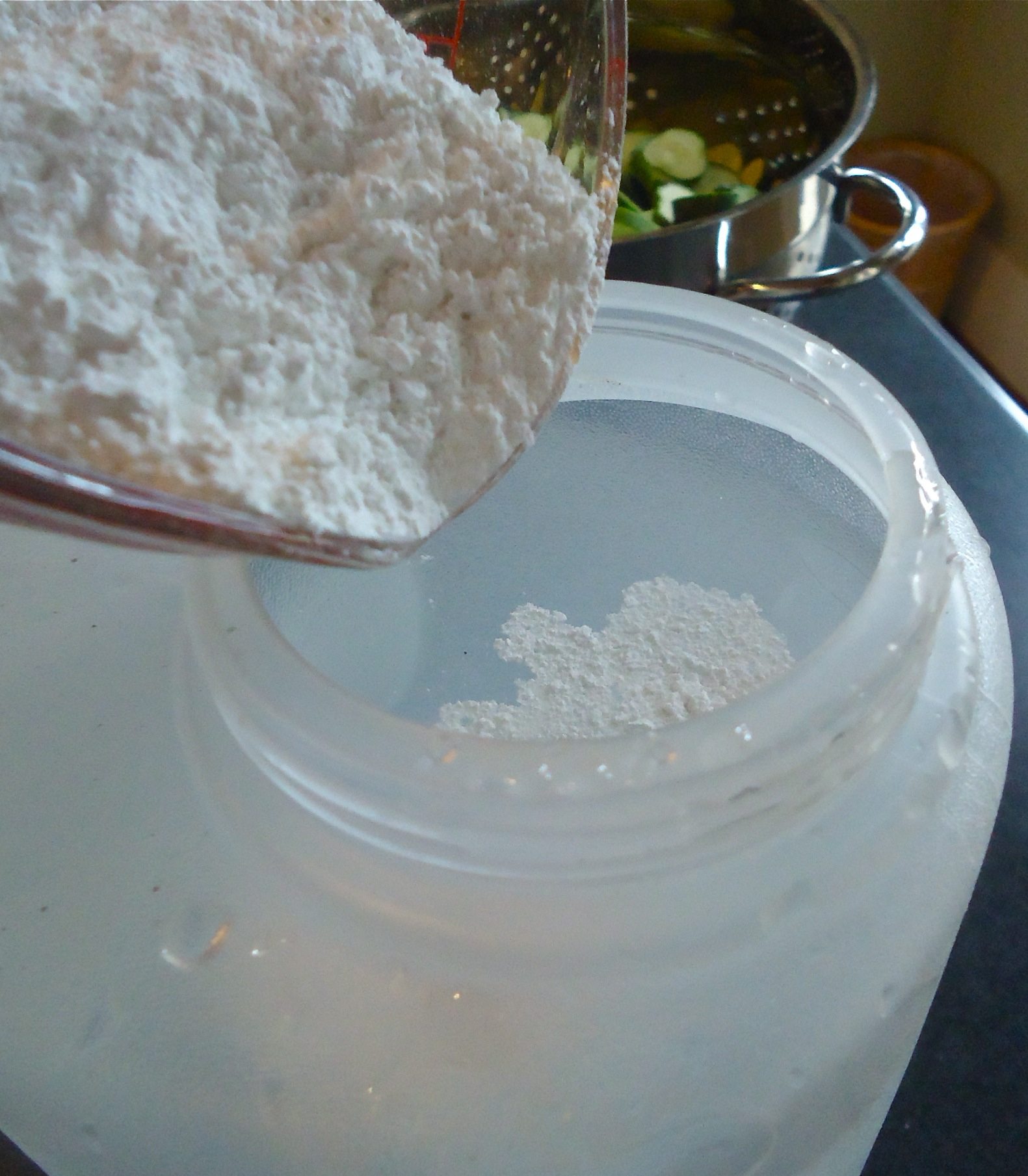
Mix the lime into the water. Note that the lime will not completely dissolve.

The cucumbers need to soak in their lime “bath” overnight or up to 24 hours. This batch soaked for 18 hours.

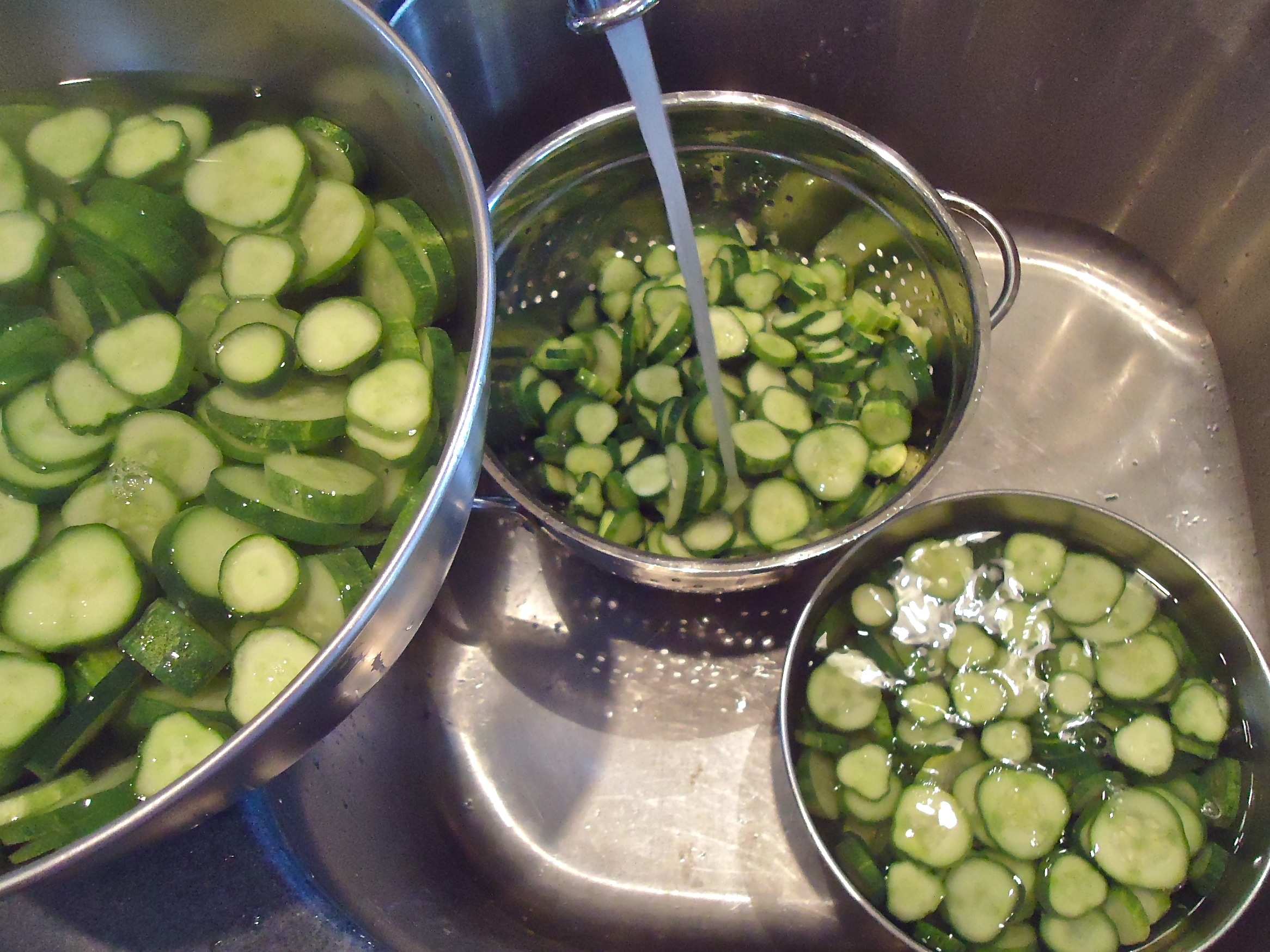
The lime must be washed off the cucumbers completely so rinse them 3 times. I washed them in batches.

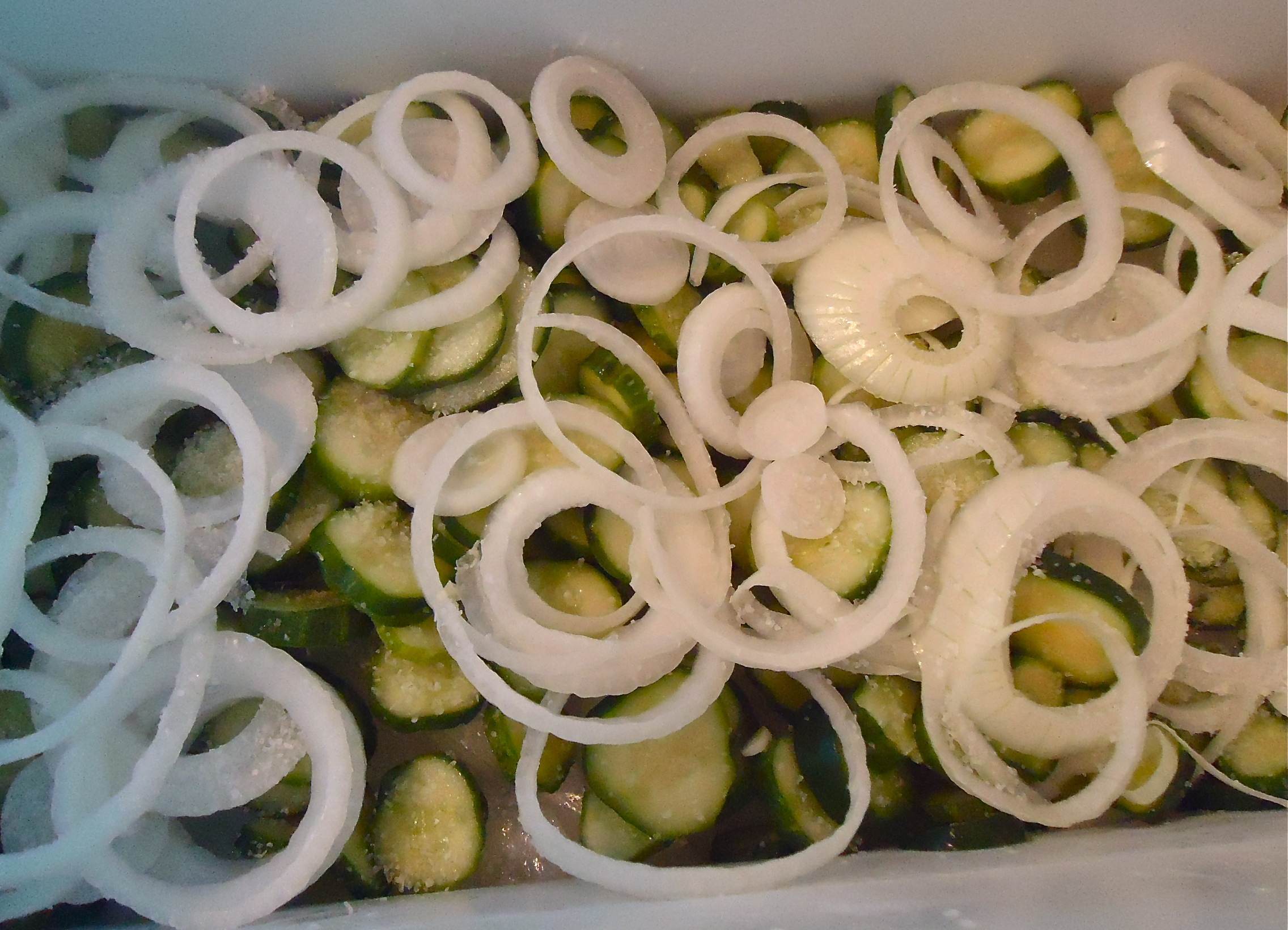
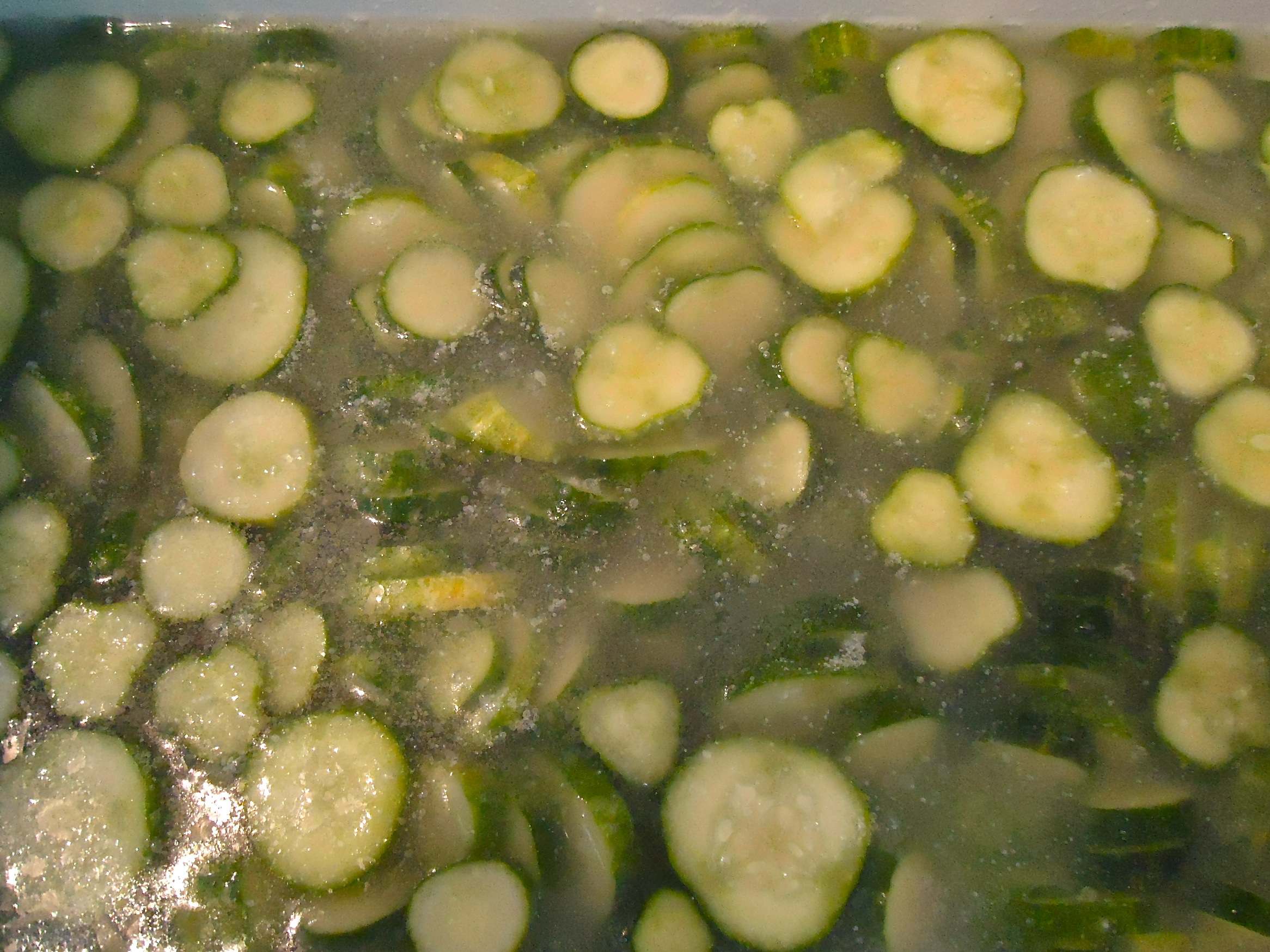
The next step is to layer the cucumbers, onions, kosher salt and ice and allow to sit for 3 hours.

After their 3 hour cruise, errr… I mean ‘soak”, we are ready to finally get to the actual ‘pickling’.

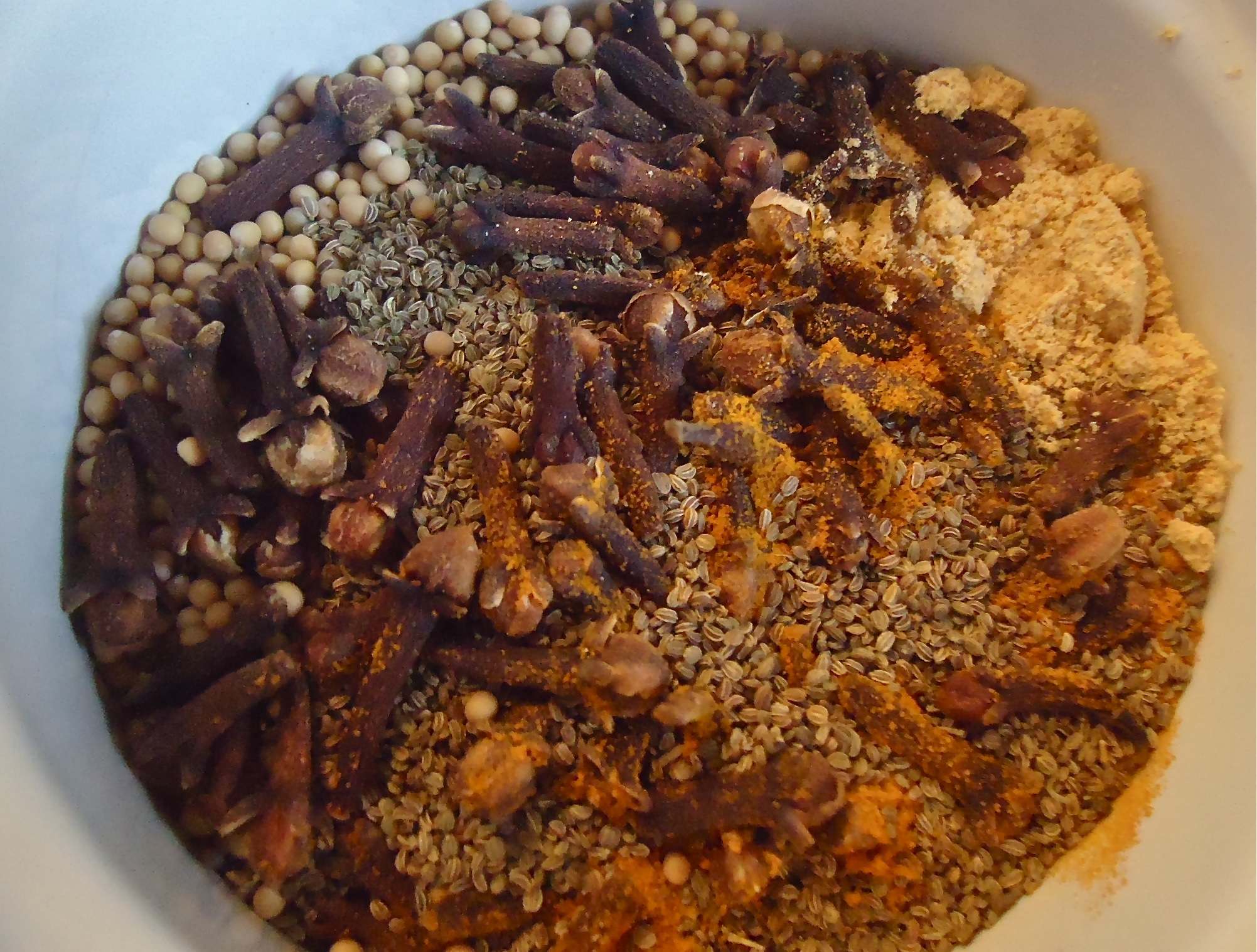
Here are the pickling spices. You can mix them individually into the syrup or mix them together and then add to the syrup, which is what I do here.

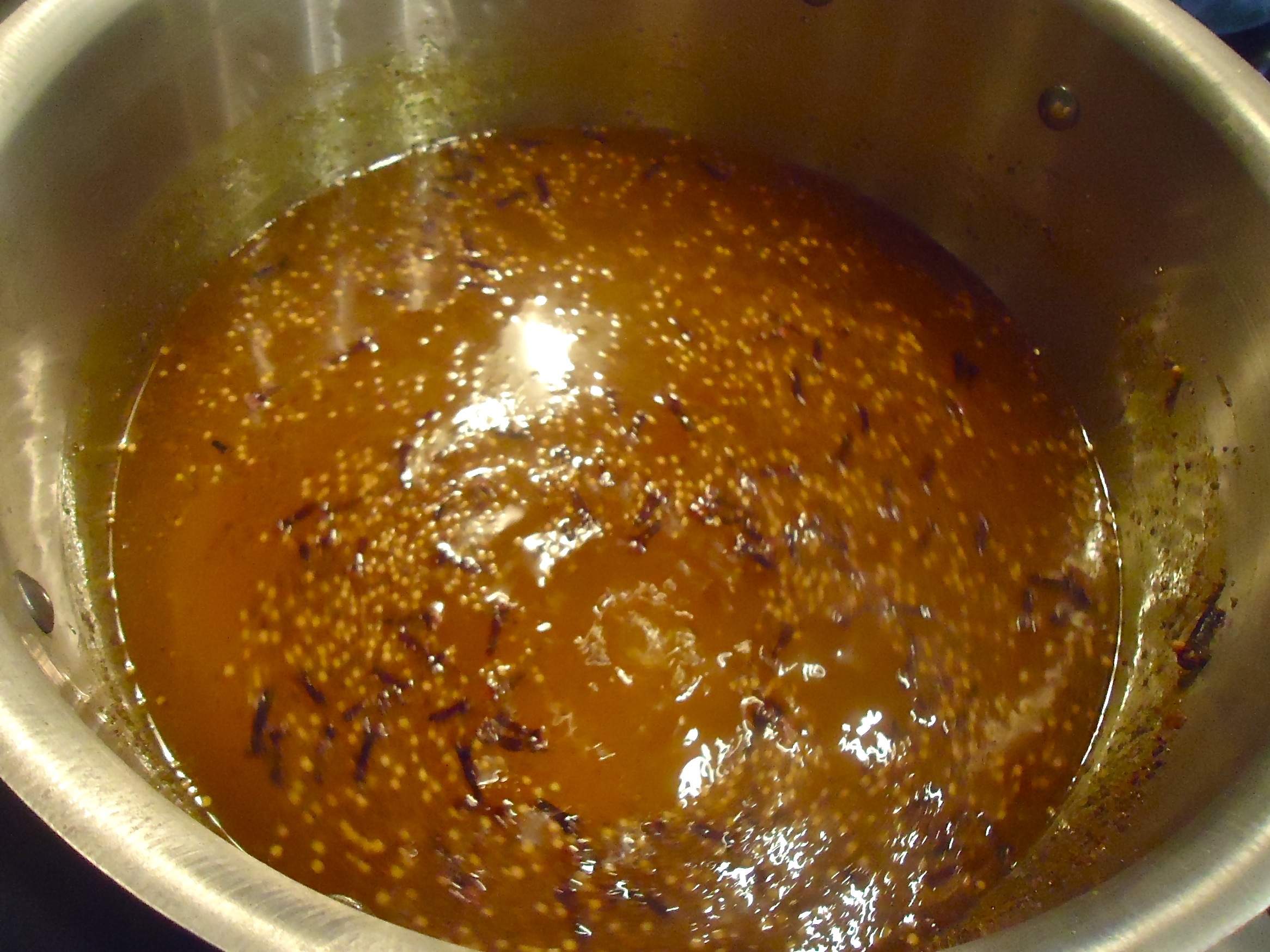
Mix the spices into the sugar/vinegar syrup and bring to a boil.

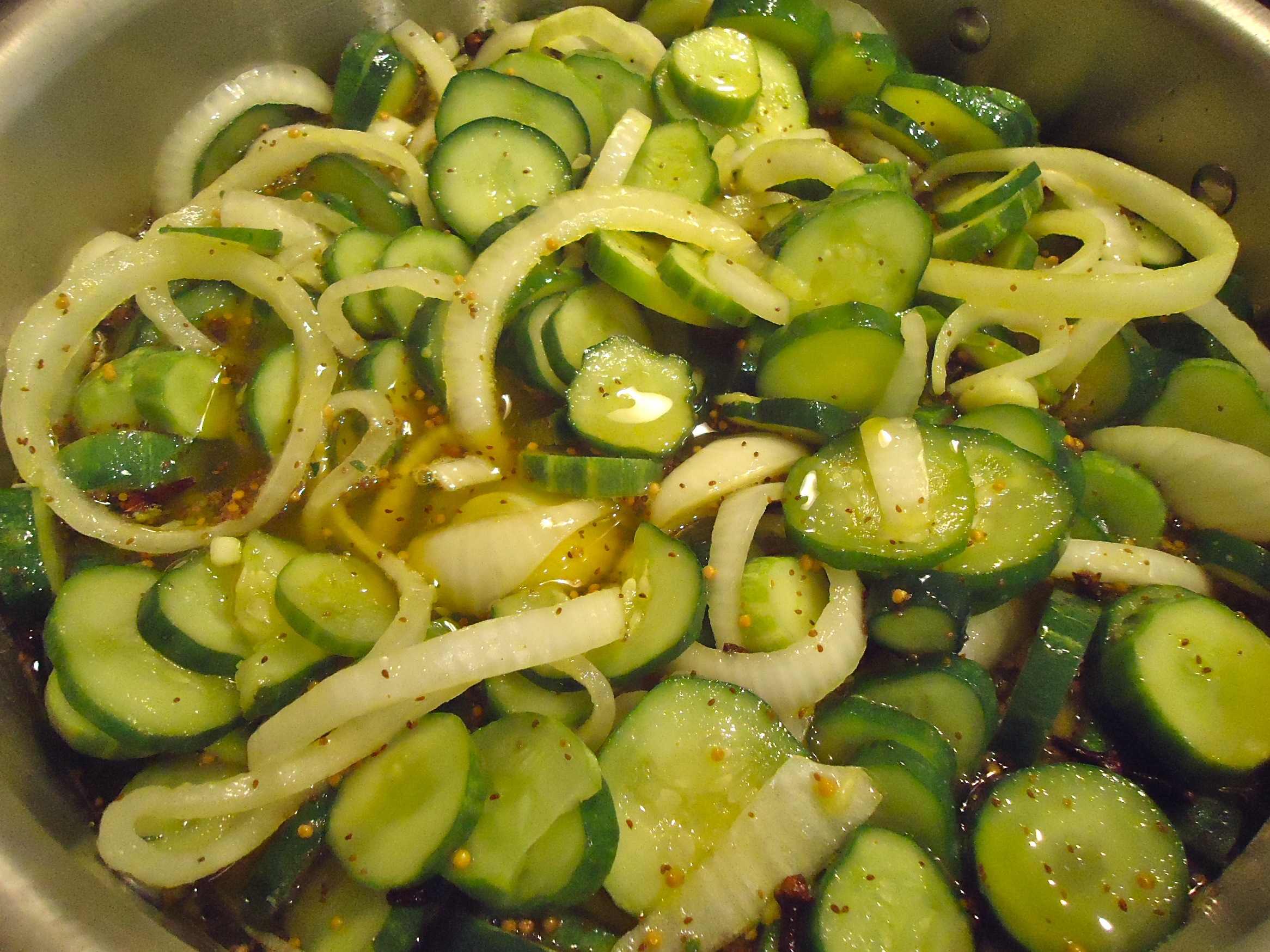
Add the cucumber/onion mixture to the spiced syrup and bring back to a boil. Stir but try not to smash and break up the pickles.

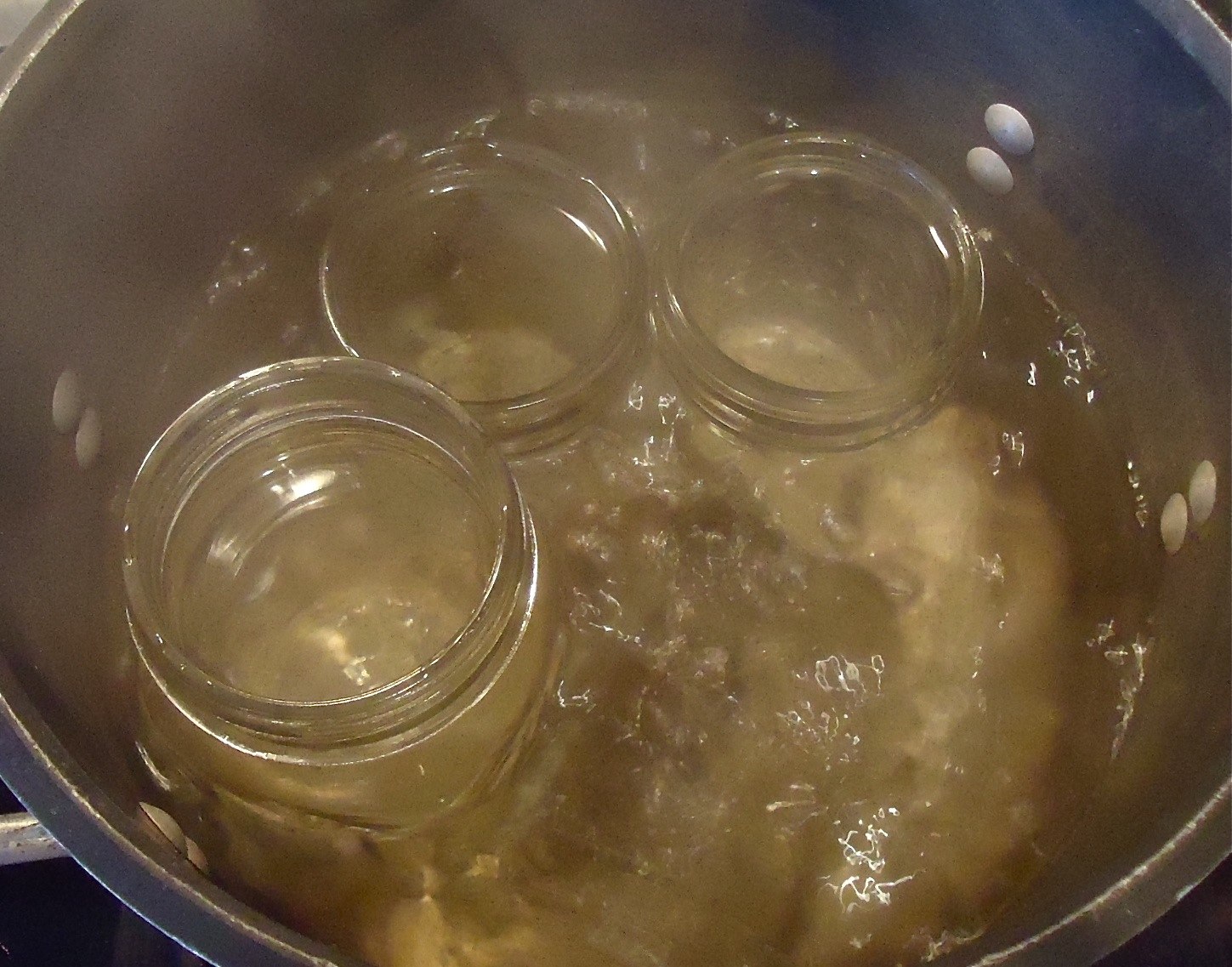
Meanwhile, the canning jars (and the lids and rings) should be boiling away in their hot water bath. Be careful lifting the jars from the hot water – use long tongs and/or jar lifters plus have lots of potholders and dish towels available. Like my Mama said, little kids and pets should not be underfoot while canning.

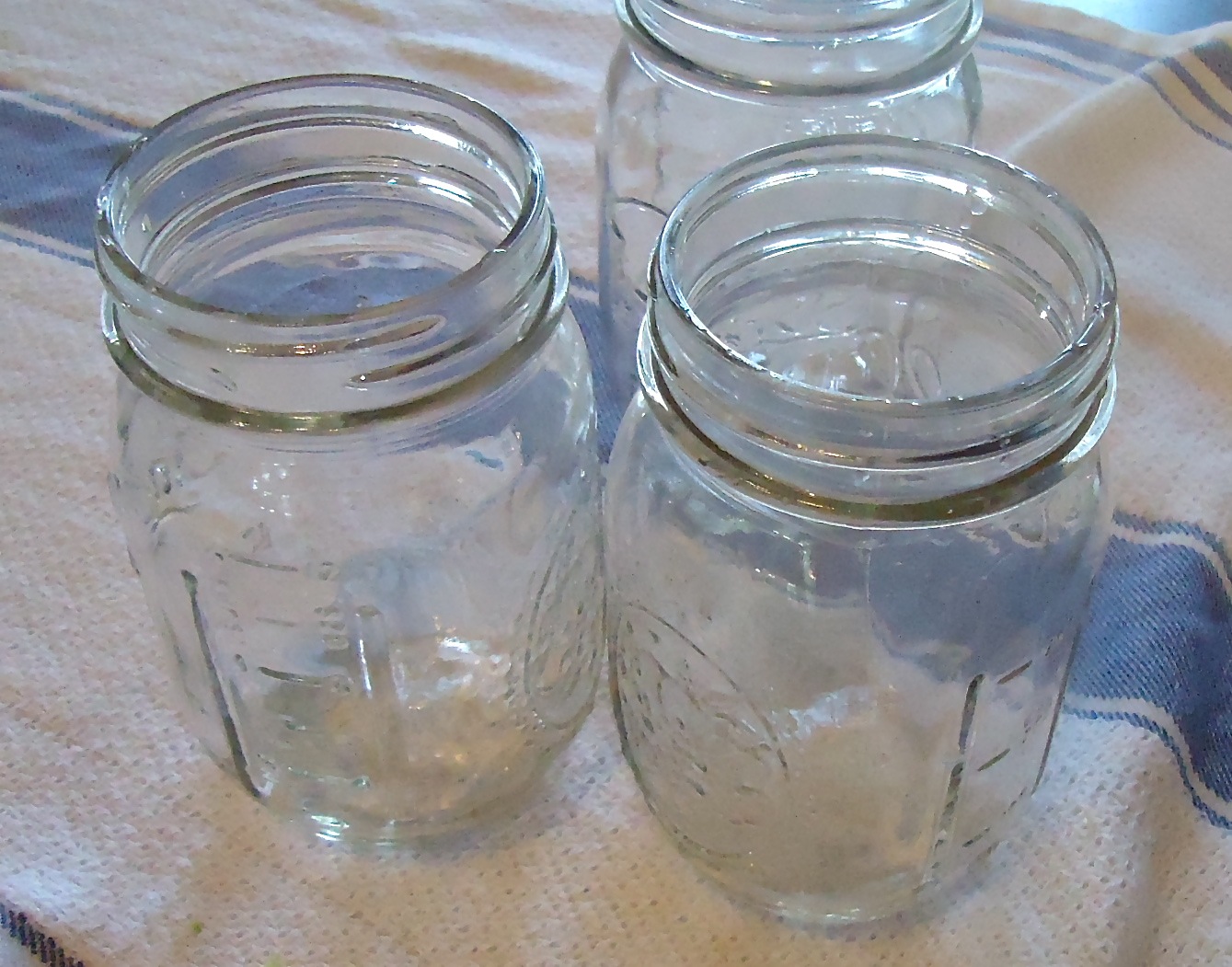
Hot jars ready to be filled.

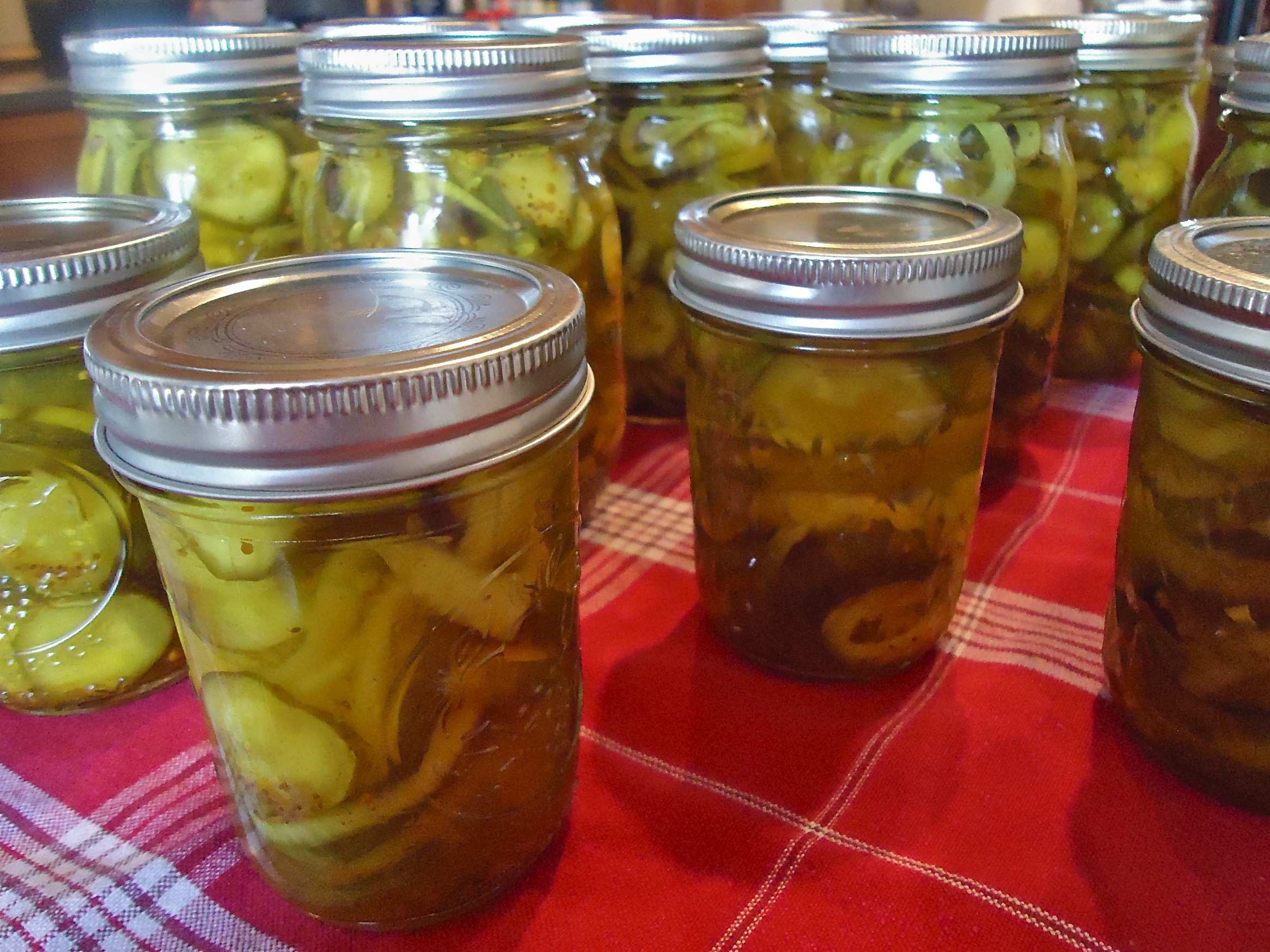
Add the pickle mixture to the hot jars. Wipe any spilled syrup or juice from the rim of the jar and top with a sterilized lid. Secure with a ring using a potholder or dish towel to hold the hot jar. Wait at least a couple of days before diving into your pickles.

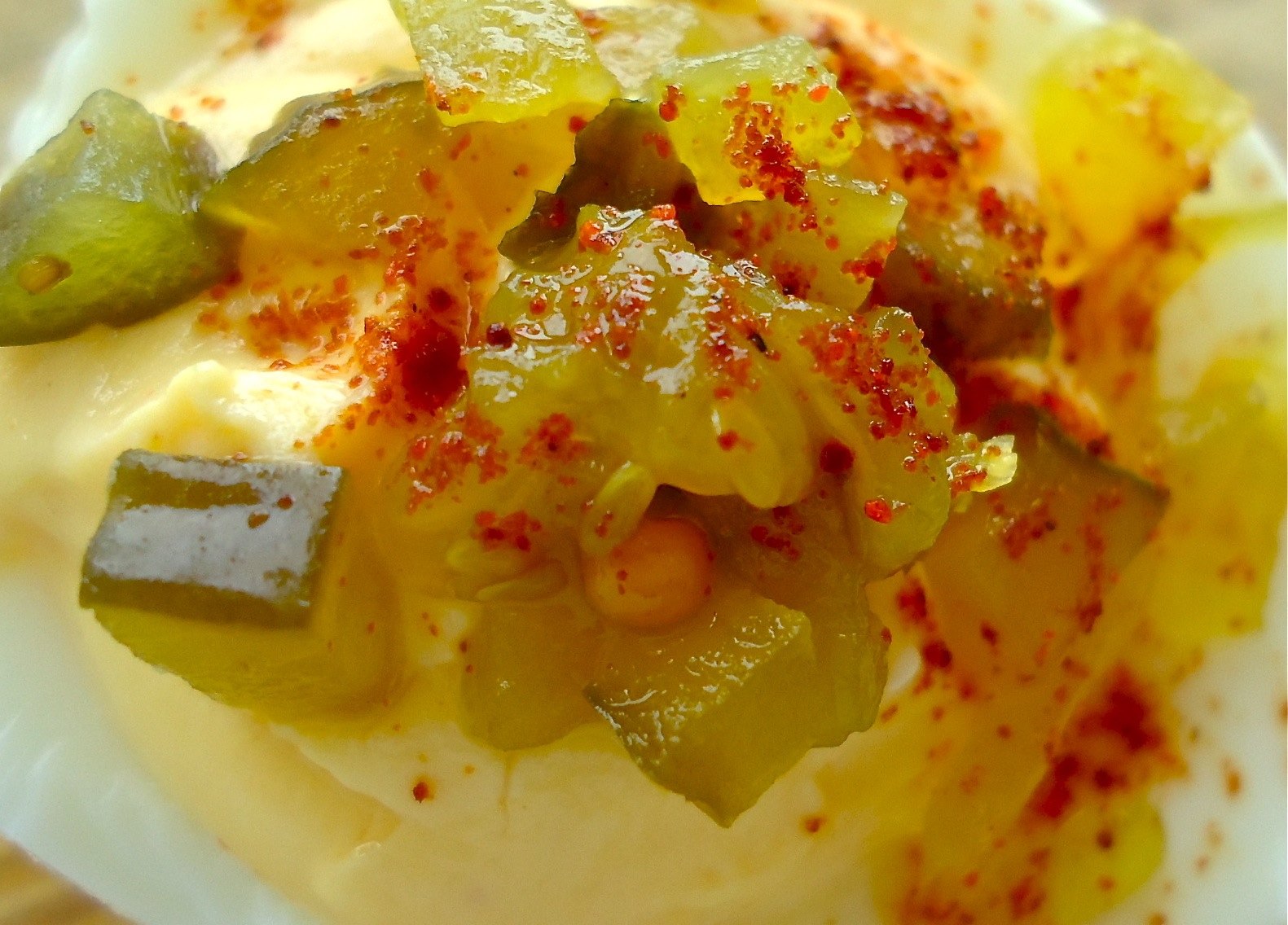
I like to top my deviled eggs with diced bread and butter pickles and a bit of pickled onion, of course!

Crispy Bread & Butter Pickles

  • 8-10 lbs. small Kirby or “pickling” cucumbers, washed.
  • 1 cup pickling lime
  • 1 gallon fresh water
  • 3 tbl. Kosher salt
  • Ice
  • 4-6 medium onions, peeled and sliced
  • 6 cups vinegar (apple cider or white or a combination)
  • 6 cups sugar
  • 3 tbl. mustard seed
  • 2 tsp. tumeric
  • 2 tsp. celery seed
  • 2 tsp. whole cloves

Begin the day before you plan to can the pickles. Slice the cucumbers between 1/8 and ¼ inch thick discarding the end pieces. Mix the pickling lime into the gallon of water. The lime will not completely dissolve in the water.

In a large, clean non-reactive (plastic, glass, stainless steel or porcelain – NO aluminum!) mix the cucumbers with the lime/water. Stir and cover. Allow to sit in a cool area overnight and up to 24 hours. Stir once or twice during this time.
Drain cucumbers and rinse in clean water thoroughly 3 times to remove all lime residue. In a large non-reactive container layer the cucumbers, onions, salt and ice. I divide everything by three and layer in thirds. Cover and allow to sit for 3 hours.

Meanwhile *wash the canning jars, new lids and rings and set up for sterilizing the jars. In a large pot (or canning pot) heat clean water to boiling– enough to cover several jars when submerged – add 3 or 4 washed jars, bring to a boil and reduce heat to simmer. In a smaller saucepan heat clean water to boiling and add the new washed lids and rings. Reduce heat to just below boiling- keep them hot.
After 3 hours drain the cucumber/onion mixture. Do not rinse but discard any remaining ice. In a large non-reactive pot mix the vinegar and the sugar and begin heating. Stir to dissolve the sugar and add the spices. Bring to a boil and add the cucumbers/onions. Mix gently to evenly saturate the mixture in the syrup. Bring back up to a boil and stir. Reduce heat to a simmer.
Begin canning the pickles. Carefully remove hot jars from the hot water bath. Fill each jar to within ½ inch of the top of the jar. Wipe away any excess syrup from the moth of the jar with a clean towel. Place a hot, sterilized lid on top and secure with a ring. Use a hot pad or towel to hold the jar while you screw on the lid as it will be hot. Continue to can all the pickles, adding clean jars to the sterilized water and keeping the pickle mixture hot. I can about 3 or 4 jars at a time.

Some people do another step whereas they put the sealed jars back into another hot water bath, bring to a boil, remove and allow to cool. Since I use new lids every time and always check that a seal has been made on each jar I do not do this step.

However, you do need to check that a seal has been made for each jar. To do this, lightly push on the top center of each jar after it has been filled for at least 15 minutes. If the lid pops up with your touch, it isn’t sealed and if it doesn’t, it has been sealed.

If it has not sealed, check back after another 20-30 minutes. If after 1 hour a jar and lid have not sealed, you will need to replace the lid and seal and place the entire jar in a hot water bath (boiling water with water covering the entire jar) for 10-12 minutes. In all the years I have made preserves, jams and pickles I have never had to do this. Use quality jars and new lids. The rings and jars can be used many times over but new lids are the key to a proper seal.

This recipe makes 12 pints of bread and butter pickles. Refrigerate after opening.

* I wash my jars, lids and rings in the dishwasher on the hottest setting. I try to time this so that all will be clean, rinsed and still hot when I place them in the sterilizing hot water bath.

The noble pig is ‘all that’ with mustard roasted pork loin

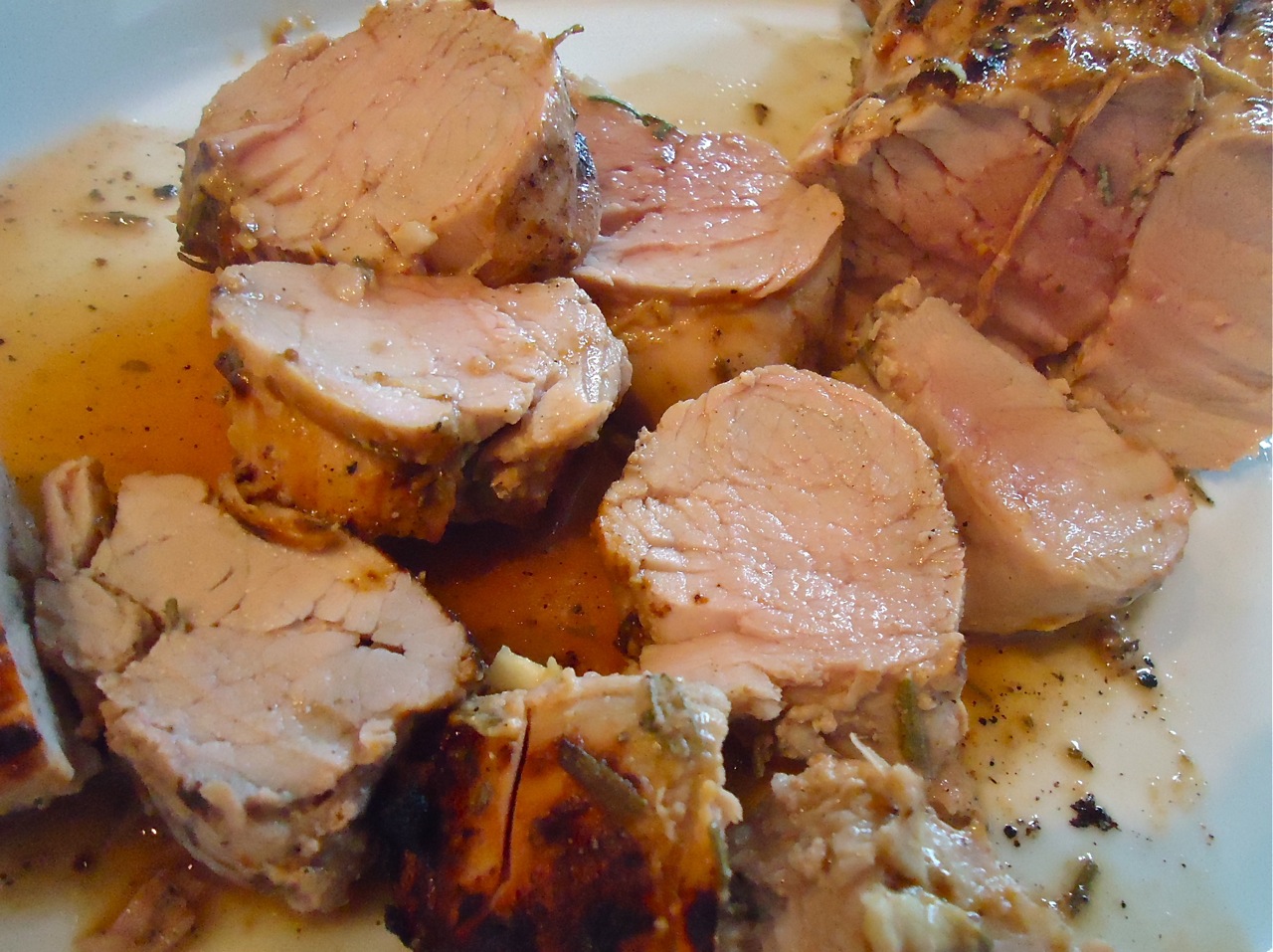
So today I finish the week’s posts with the third recipe in my creation of mustard roasted pork loin with creamy grits and okra. Getting to the meat of it, ehrrr… the pork loin. This cut of pork is pretty versatile – roasted, pan fried, grilled, smoked – there are many ways to get it from the refrigerator to the plate.

I absolutely love my gas grill and since it’s summer, I find it a snap to cook with it, keeping the mess and heat out of the house. Cooking outdoors is fun in and of itself, not to mention one isn’t allowed to command the grill, at our house anyway, without a proper libation – beer, wine or maybe an adult Arnold Palmer which we make with local favorite, Firefly Vodka (Wadmalaw Island, SC). Their sweet iced tea flavored vodka is in a word, delightful, especially mixed with icy lemonade and enjoyed among friends. I first tried this concoction during the RBC Heritage golf tournament last April and have been hooked ever since. It is quite refreshing if you are partial to iced tea, and if you aren’t, this may make an iced tea lover out of you.

Back to the pork. I actually have found that grilling alone, no matter if using charcoal or gas heat, can be tricky with pork loin. Pork loin is a lean cut, hence it can become dry if overcooked. I prefer my pork loin pink in color in the center and since pork loin, like many cuts of beef, needs to rest (and will continue to cook) before serving, getting the heat and timing just right can be tricky. The best course of action is to practice and take note of how your equipment (grill and range) cooks the pork within a specific time frame. Choosing a symmetrical loin of even thickness is a good idea too.

Over the years I have found that searing off the pork loin on a very hot grill and then roasting it in the oven gives me the best results. Believe me, I have turned some pork loins into shoe leather in the past when only utilizing the grill, so the lesson has been learned. Now I follow the at-home technique that many professionals use exclusively at work: searing and roasting. One could also wrap the loin in foil and roast on the grill and I would try this if I had no other alternative (if I was camping, for instance), but since I have a nice gas oven I see no reason to test fate. Plus I want pan drippings for my sauce.

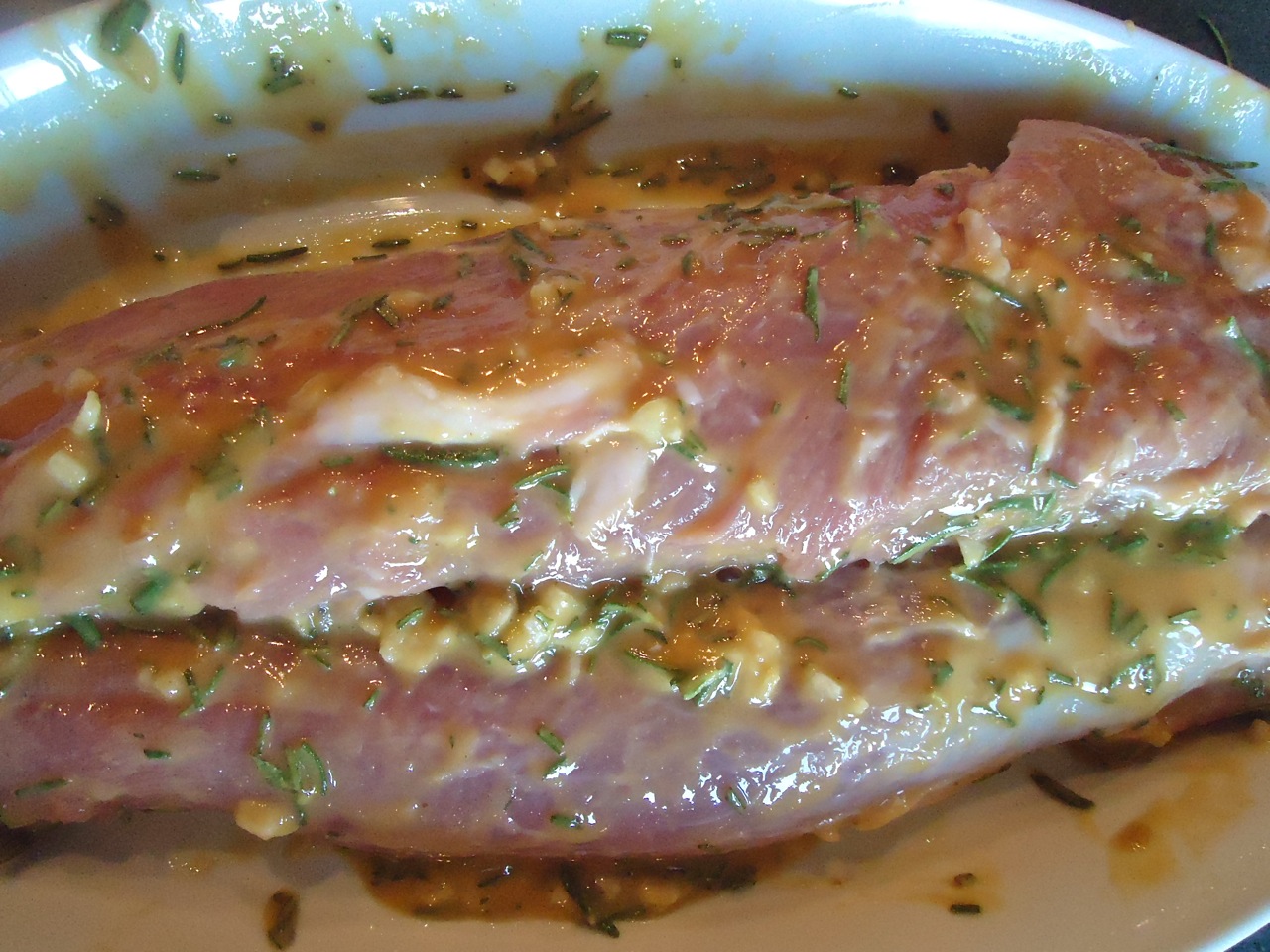
The marinade is more like a liquidy ‘rub’ – thick with Dijon mustard, honey, garlic and rosemary. The flavor is best if the slathered loin can marinate, refrigerated, for 3 hours but at least one hour is permissible. Obviously, I adore this with creamy grits and crunchy fried okra – making a superb flavor and texture combination. But the loin could also be served with garlic mashed potatoes or even a good quality brown rice favored with stock and herbs, perhaps, if you are not into grits.

And before I forget, leftover pork loin also makes for a delicious sandwich. Add a crusty toasted bun, some caramelized onions, fresh greens and a dollop of homemade peach chutney (hint, hint) and you’ve got a lunch worthy of supper!

Ingredients include a nice pork loin, some fresh rosemary and garlic cloves. The honey is local from Yaveh Farms and is unfiltered, i.e. it includes some honeycomb.

Mix the marinade/rub ingredients together and…

slather it on the pork loin. I tied the two pieces of loin together with some kitchen twine. Refrigerate, covered, for 3 hours.

Remove the loin from refrigeration and allow to rest at room temperature while you heat the grill. Sear the loin on all sides but avoid flipping it around too much.

Place the seared loin on a rack in a roasting pan. Add wine or stock to roasting pan.

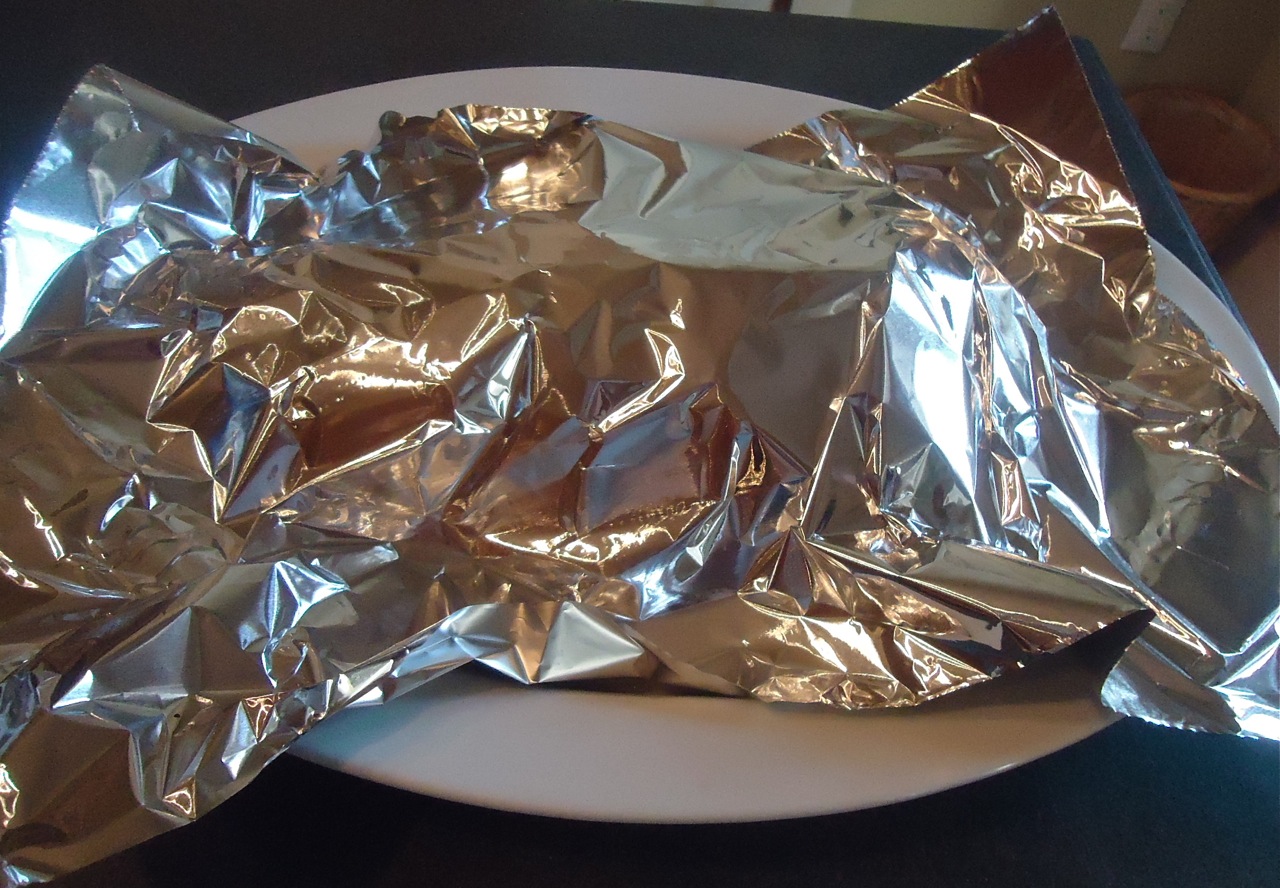
Place the roasted loin on a warmed platter and…

cover it loosely with foil. I am showing this because it is very important, even though I realize many home cooks know how and why to do this.

Meanwhile, pour the pan drippings from the roasting pan into a sauce pan.

Reduce the pan drippings and add 1 tablespoon each of honey and butter.

Finally whisk in the cream.

The sauce is ready. It is not thick.

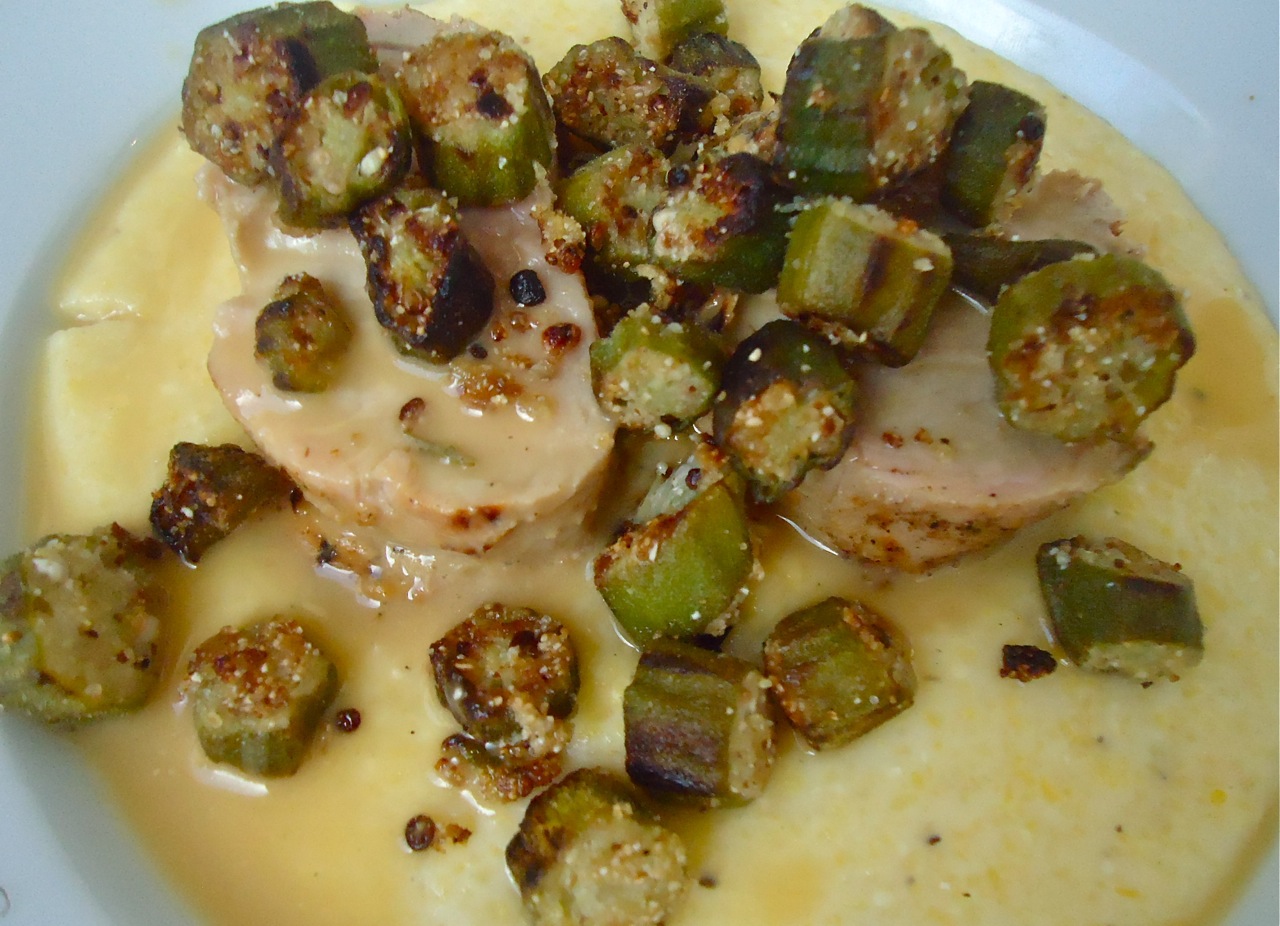
Mustard pork loin served on a bed of creamy grits with accompanying sauce, topped with crispy fried okra. Yum!

Mustard Roasted Pork Loin

  • (1) 3-4 pound pork loin
  • 3-4 cloves of garlic, peeled and crushed
  • 1/3 cup Dijon mustard
  • 2 tbl. honey
  • fresh rosemary, washed and minced, approximately ¼ cup
  • 1 cup white wine or vegetable or chicken stock or combination
  • 1 tsp. salt
  • ½ tsp. fresh ground pepper

Wash and dry the pork loin. In a small bowl mix together the garlic, mustard, honey, and rosemary. Slather this mixture all over the pork loin. If your pork loin is in 2 pieces, tie together with cotton kitchen twine at several places along the loins to secure.

Place loin(s) on a platter, cover and refrigerate 1 – 3 hours. Prepare your grill about 1 hour 15 minutes (or more for charcoal) before planning to serve the pork loin.

Preheat your oven to 375 degrees. Remove the pork from the refrigerator and allow to sit out 15 minutes or so (it’s still covered). On a hot grill sear the pork loin on all sides, careful not to flip it around too much. Remove the pork to a rack set in a roasting pan. Pour about 1 cup of liquid (either white wine or vegetable or chicken stock or some combination) in the bottom of the roasting pan.

Roast pork loin in oven for 30 minutes. Remove the loin from the roasting pan and allow to rest on a warmed platter, covered loosely with foil. Meanwhile make the sauce:

  • pan drippings
  • 1 tbl . honey
  • 1 tbl. butter
  • 2 tbl. cream
  • salt & pepper to taste

Pour the pan dripping through a sieve from the roasting pan into a medium saucepan. Allow this to come to a low boil and cook until reduced by about a third. Reduce heat and whisk in the honey, butter and cream. Taste and adjust salt and pepper. Serve immediately with sliced pork loin. Note: this sauce will not be thick.

Grits are “groceries” – why yes, they are!

Stone-ground grits, not so plain but simple to make.

To many Southerners grits are a revered food, akin to barbeque in that most everyone has their favorite brand of grits or preference of white grits over yellow grits or vice versa, or “special” preparation technique. My own father, who was a child of the Depression (the real one) had a funny saying, “grits are groceries”, which to him meant they filled up your belly and are good enough to have at any meal. Good quality, properly prepared grits can make a meal.

Basically grits are the same thing as polenta (if you are familiar) but technically they are not the same. Grits can be either stone ground or hominy style, dried corn that treated with an alkali in a process and then ground. I am not  a hominy-grits lover really, I prefer mine stone-ground. According to Anson Mills (located right here in South Carolina) grits and polenta are made from two different types of corn. Here is their explanation:

“Dent or Flint? Corn is classified by the type of starch (endosperm) in its kernels. The premier mill corn of the American South, known as dent (the name derives from the dent that forms on the top of each kernel as it dries), has a relatively soft, starchy center. Dent corn makes easy work of milling – it also makes phenomenal grits.

Flint corn, by contrast, has a hard, starchy endosperm and produces grittier, more granular meal that offers an outstanding mouth-feel when cooked. One type of American flint – indigenous to the Northeast – was, and remains, the traditional choice for Johnny cakes. 
In Italy, flint has been the preeminent polenta corn since the 16th century when Spanish and Portuguese treasure hunters brought Caribbean flint to the Piedmont on ships.”

So there you go. I also have been told that in Italy, polenta can also include other grains besides corn. The grind for polenta is finer than that for grits and the cooking technique is also different. So yes, polenta is ground corn – as are grits – but they are not the same thing.

As far as brands of grits, I have eaten many different brands of both white and yellow varieties and I’m open to trying ones I find during stops at road-side stands or country stores. My mother buys Jim Dandy brand grits – the white type and obviously that is the type I grew up eating. After I flew the coop, I stuck to Jim Dandy mostly, but Quaker and Adluh brands found their way into my pantry. (Adluh is a local South Carolina mill and they make very good products but can be hard to locate as they not carried much out of SC. See the side bar for a link).

In my twenties, I was gifted some stone ground grits from Nora Mill, located in Helen, Georgia. I have been lucky to try both their white speckled grits nicknamed “Georgia Ice Cream” and their yellow speckled variety over the years – all are delicious! Once I tried stone-ground grits it was impossible to go back to anything else. Sorry Jim Dandy!

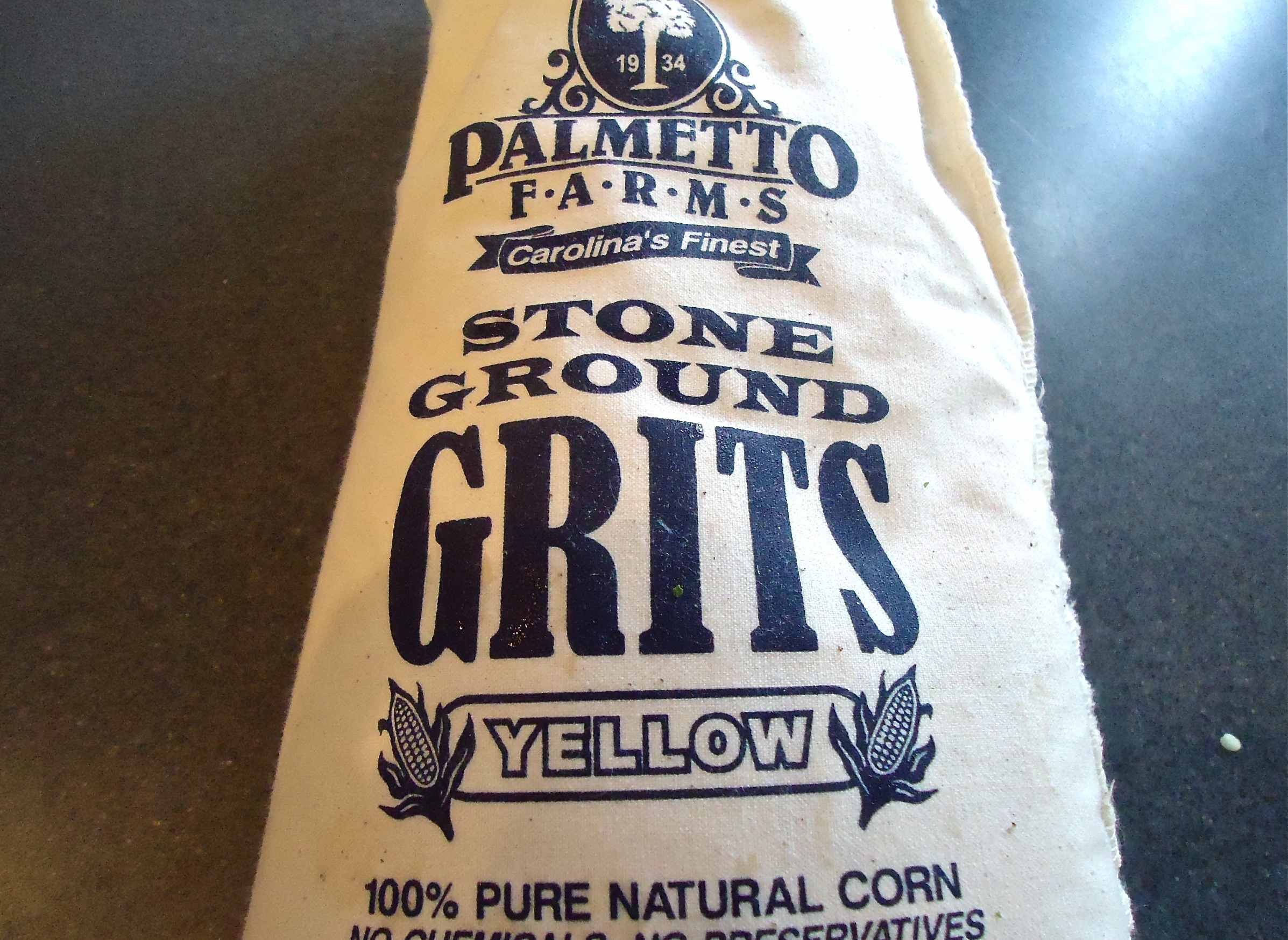
When we lived in Alabama I purchased McEwen & Sons (Wilsonville, AL) stone ground grits and found they were also quite good. Their products are organic and they even sell blue stone ground grits. My current pound bag o’grits is from Palmetto Farms located in historic Galivants Ferry, SC. This is a 3rd generation mill operation that began in the 1930’s. I enjoyed the texture and corn flavor of these grits so I’ll be buying more of these in the future.

“Grits Tips”

  • Use stone ground grits: If you live in the South and your grocer has a “locally grown” section see if they carry grits milled nearby. If not, order a pound of grits online from any of the purveyors I mention above.
  • Keep your grits cold: Freezing in fact. Grits are best stored in an air tight bag/container in the freezer.
  • Do not buy instant grits: Friends do not let friends buy and eat (pluh!) instant grits, for obvious reasons…
  • Cooking: Even if your grits are “quick cooking”, cook longer than advised on the instructions. A pot of grits needs at least 20 minutes of slow cooking (and stirring) after the initial boil.
  • Salt: If you add cheese and/or stock to your grits do not salt them until very near the end of cooking. Otherwise you could end up with some salty grits.
  • Have fun with your grits! Once you have the basic cooking technique down, experiment and try grits with cheese or fresh mushrooms or better yet mushrooms and cheese! Add herbs, sausage, or vegetables – whatever you think would tempt your palate.
  • Grits aren’t just for breakfast: Although they are delicious in the morning try them for supper with grilled fish, seafood, roast pork or game, like quail. Pan roasted quail was a favorite of mine when I was younger. Add my Mom’s creamy pan gravy and a biscuit and the post-hunt sideboard was complete.

A bag of lovely stone-ground grits from Palmetto Farms. Keep your grits in the freezer, they stay fresher that way!

Add the grits to the hot – and soon to be boiling – water/stock liquid. Get ready to stir.

After about 8 minutes the grits are still rough, not broken down much yet. Add some more liquid and stir.

After another 10-12 minutes (total of 20 minutes) of cooking , stirring and adding more liquid, the grits are creamier and close to being ready. You could keep cooking these all day if you liked – adding more liquid and stirring. They will just get creamier.

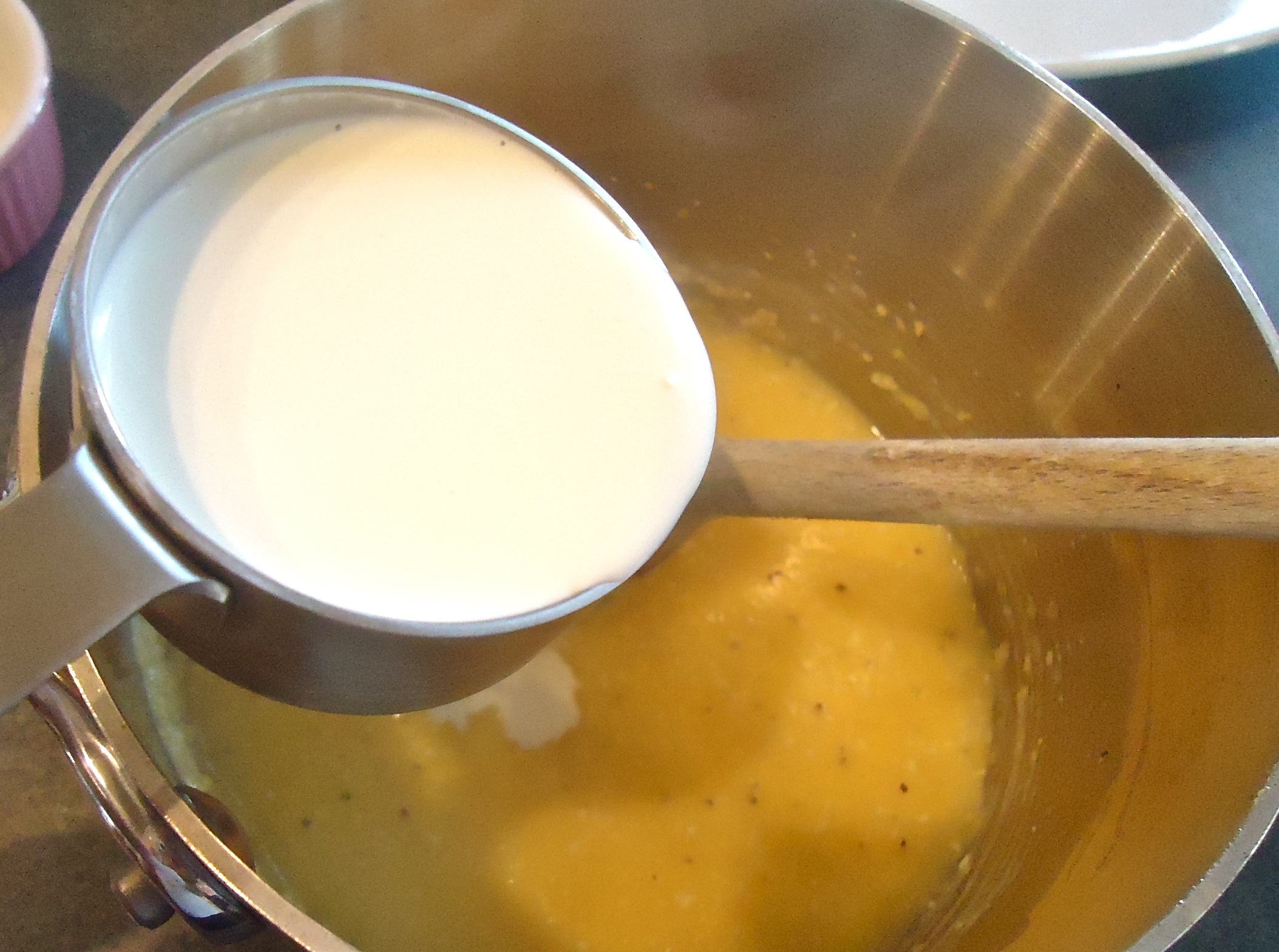
Add the cream just prior to seasoning. My daddy always added milk or cream to his grits; my mother does not. It’s a personal matter, I suppose…

Pouring the grits into the bowl you can see the creamy goodness! These grits are plain but you if you like, stir in cheese or sausage or bacon or chopped green onions or a combination of whatever you prefer. Grits are a non-partisan food!

Recognize this image from a couple of weeks ago? Nestled beneath the crunchy fried okra and tender, mustard roasted pork loin is a pool of creamy grits.

Grits

  • ½ heaping cup stone ground grits
  • 1 1/2 cup plus extra water
  • 1 cup vegetable or chicken stock or broth
  • 1/3 cup plus light cream
  • salt & pepper

In a medium saucepan with a lid, heat 1 cup of water and 1 cup of stock. Stir or whisk in the grits. Bring to a boil and then turn heat down to low. Place lid on the saucepan and allow to cook on very low heat for 8 minutes or so. Stir grits and add water (1/4 cup). Allow to cook with lid on for another 5 minutes. Stir again and add more water (1/4 cup). Allow to cook 5 more minutes and stir. Add more water of necessary. Cook another 2-3 minutes* with the lid off until the consistency is a little thicker than you prefer. Stir in the light cream and season with salt & pepper to taste. Serve immediately. Makes approximately 2 cups of cooked grits. This recipe can be double, tripled, or quadrupled.

* At this point you can continue slow cooking the grits all day if you like – just keeping add more water (or other liquid) and stirring every so often. If you allow the grits to cool they will congeal, however.

Treasure Island: Salvaged Cumberland Charts

The perfect spot to display my latest masterpiece! They greet me instantly when I wake in the morning.

I am thrilled to have my first guest blogger on southbyse.com, Kate McEvoy!  Kate and I have known each other a long time, bonding over the mysteries of traversing the singletons life and our mutual love of vintage chic, good food, and Savannah, Georgia.

Now that we’re both married ladies with our own families, we see each other less but thanks to the wonders of this digital age we keep in touch and as it is with good friends, we can pick up our conversation left dormant months ago, with no fear of upsetting one another with “you haven’t called me back!” Kate’s writing is truly fresh and she has an enviable sense of style in everything from home décor to clothing to outdoor spaces. When Kate told me she found these cool charts of Cumberland Island and had the idea of blogging about them, I jumped at the chance to share her creativity in southbyse.com.

Cumberland Island  is just off the coast of southern Georgia, about as close to the Florida border as you can get and still be in the Peach State. It is a naturally magical place – with tall, billowy sand dunes, wild horses, huge moss-draped live oak trees and remnants of past glory among the ruins of the Carnegie, Green and Stafford mansions.

I was lucky enough to visit this beautiful place several years ago and highly recommend it, because with all of it’s wild loveliness it is difficult to describe – it’s meant to be experienced. Accommodations include two choices: camping (close-in near the ferry landing which is what I did on my visit, or backpacking to the interior) or at the other extreme…the timeless, award-winning Greyfield Inn. I’ll confess I have always wanted to visit the Greyfield.  (Are you listening dear hubby? )

Treasure Island: Salvaged Cumberland Charts (Kate McEvoy)

Here’s my dog Cookie and her proud new fetch, properly rewarded with an ear rub and a green biscuit.

I’m Kate, southern by birth, Savannah by variety. In Savannah people are known for having their own unique way. I don’t mean one unique way shared by all, but an expectation that everyone is entitled to her own expressive behavior. Paula Deen likes big hair, big twang and big butter…and that’s just cool. But she accounts for just one, and that leaves about a hundred thousand more blends of peculiar Savannah wine.

From the very start, my ‘way’ was a blazing passion for all things homespun. I gather I’m driven by a desire for my mark on the world to be utterly one-of-a-kind. My book bags, Halloween costumes, dorm bedding… they were all hand-crafted treasures. Today, happiness comes from my many original or often repurposed discoveries. Actually you can boil me down to a constant project list and a storage unit of diamonds waiting patiently in the rough.

No big surprise I target weekend yard sales as the very best vehicle for spotting affordable new treasures. The allure of possibility at a rummage sale really gets my engine revving. Though utterly penniless, I recently stopped at a neighborhood sale while out walking the dog and walked away with the score of the century. In the fiery heat of a record-hot summer, I skipped home unfazed – ecstatic about a couple of old nautical charts! I found them in a pile of castaway junk marked FREE. That’s right, sale price = $0!!

The authentic seal for one of the charts.

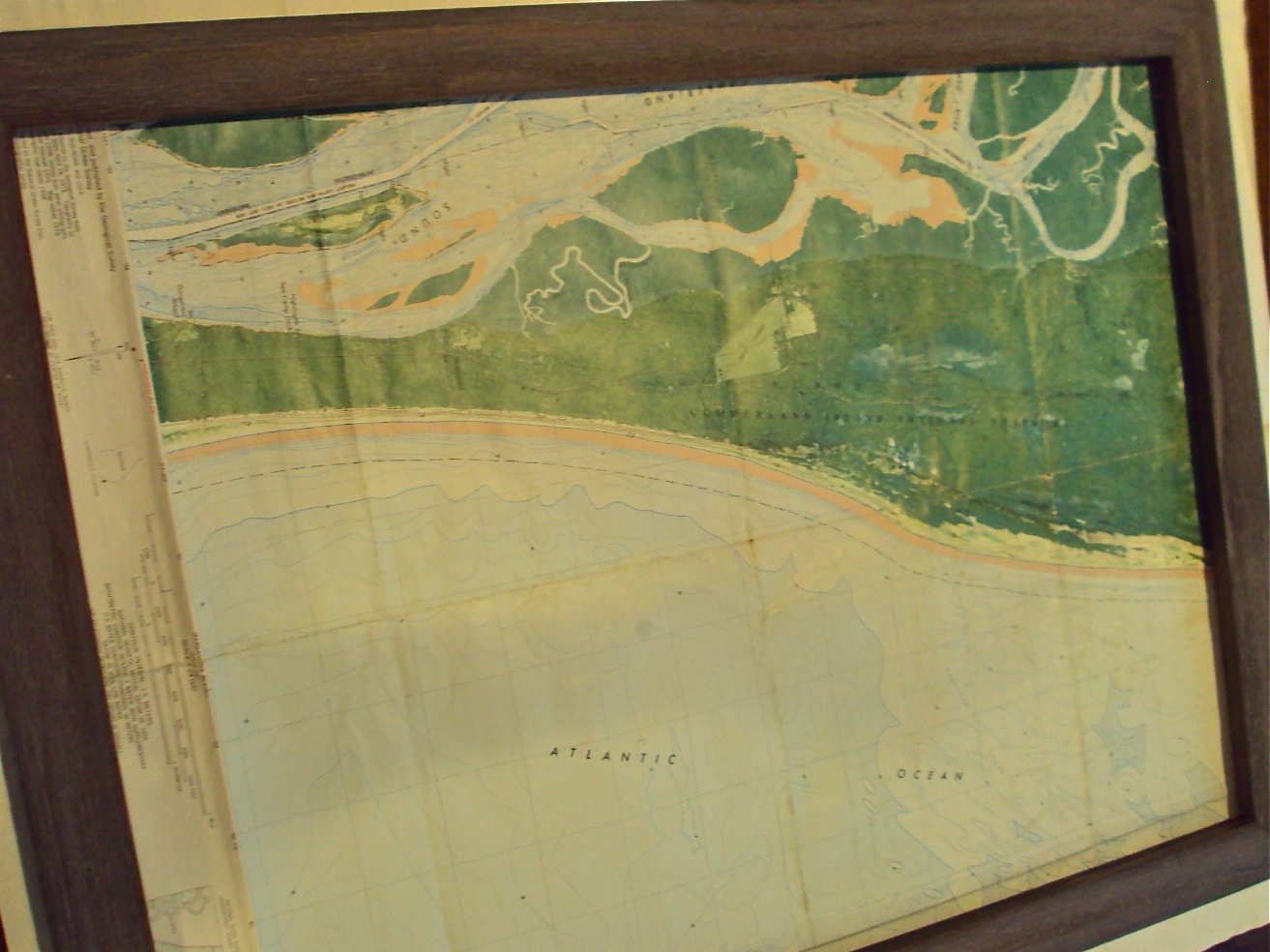
Here’s what came of my find: two worn maps of Cumberland Island with catchy kelly greens and subtly faded blues. One chart is north island; the other its southern counterpart. How much more perfect is this pair for new wall art? There’s actually a bedroom called “Cumberland” at my family’s beach home on Tybee Island. In fact, the house itself is named “The Barrier Islander” in honor of Georgia’s coastline. The theme runs prominent throughout our happy vacation home.

My maps have to be an improvement over the stock art found in a pre-cut Michael’s frame!

Well, let the projecting begin… A visit with a custom frame shop and I was quoted $600-$700. How dare they rob me of the pleasure and pride I take from frugality?!! I promptly hit up Michael’s art store for an alternative. During a 40% sale, I found a pair of rustic frames that totaled just $70. While imperfect in size, they were nimble enough to get the job done.

Using the empty frame as a cookie cutter, I determine the exact portion to be fitted within the final frame.

By folding instead of trimming, I retain the option for converting to custom frames in the future.

The backdrop for my new art – the Cumberland bedroom at our beach house. See the top image for placement of these framed charts in the room.

Feel the love with ‘perfect’ carrot cake!

I simply adore carrot cake. It is neck-in-neck with my mother’s caramel cake as my absolute favorite cake. Carrot cake is moist, it is sinfully rich (especially with cream cheese frosting), and you can enjoy it for breakfast and no one will give a second look. Its main ingredient is a vegetable AND most carrot cake recipes are both straightforward and simple.

There’s no down side – well maybe my backside (!) – after eating too much cake. That being said, carrot cake is also a wonderful cake to share…at a picnic or a potluck or at the office. Coffee klatsch time! However, I have made an observation or rather, have a question about men and carrot cake. In my experience, they don’t seem to care for it, at least not overtly.

Now my dear hubby will eat a piece or two of my carrot cake – even eat a slice of leftover cake (I think its better the next day) of this own free will. But he would never order it in a restaurant or request that I make it – ever. I’ve never heard a man say, “Alright! Carrot cake! Can’t wait to have a slice.” Or utter anything to that effect – like I have heard women, with passion in their voices, say many times.

Do men not like carrot cake? Like I said, when presented with a nice big fresh hunk most I know devour it. So what’s up with the lack of carrot cake love, men? Is eating a vegetable in a dessert off-putting for you? Or are carrots in cake form not considered “manly”? Is there some secret anti- carrot cake ‘man-law’? Inquiring minds would like to know. Enlighten me to your take on men’s blasé attitude toward carrot cake… please.

I call this recipe “perfect” because it is my perfect carrot cake – no raisins, no coconut and no pineapple. I do like nuts – either pecan or walnuts in my carrot cake. And I also shred my own carrots, preferably whole ones – not the mini carrots as I find them too watery for cake. The credit for this fine recipe belongs to Marian Morash and her Victory Garden cookbook. My copy was published way back in 1987 (newest version published 2010) and yes, it is based off the PBS television series. It’s an excellent cookbook and I have made many wonderful recipes from its pages. If you ever come across a copy I suggest checking it out!

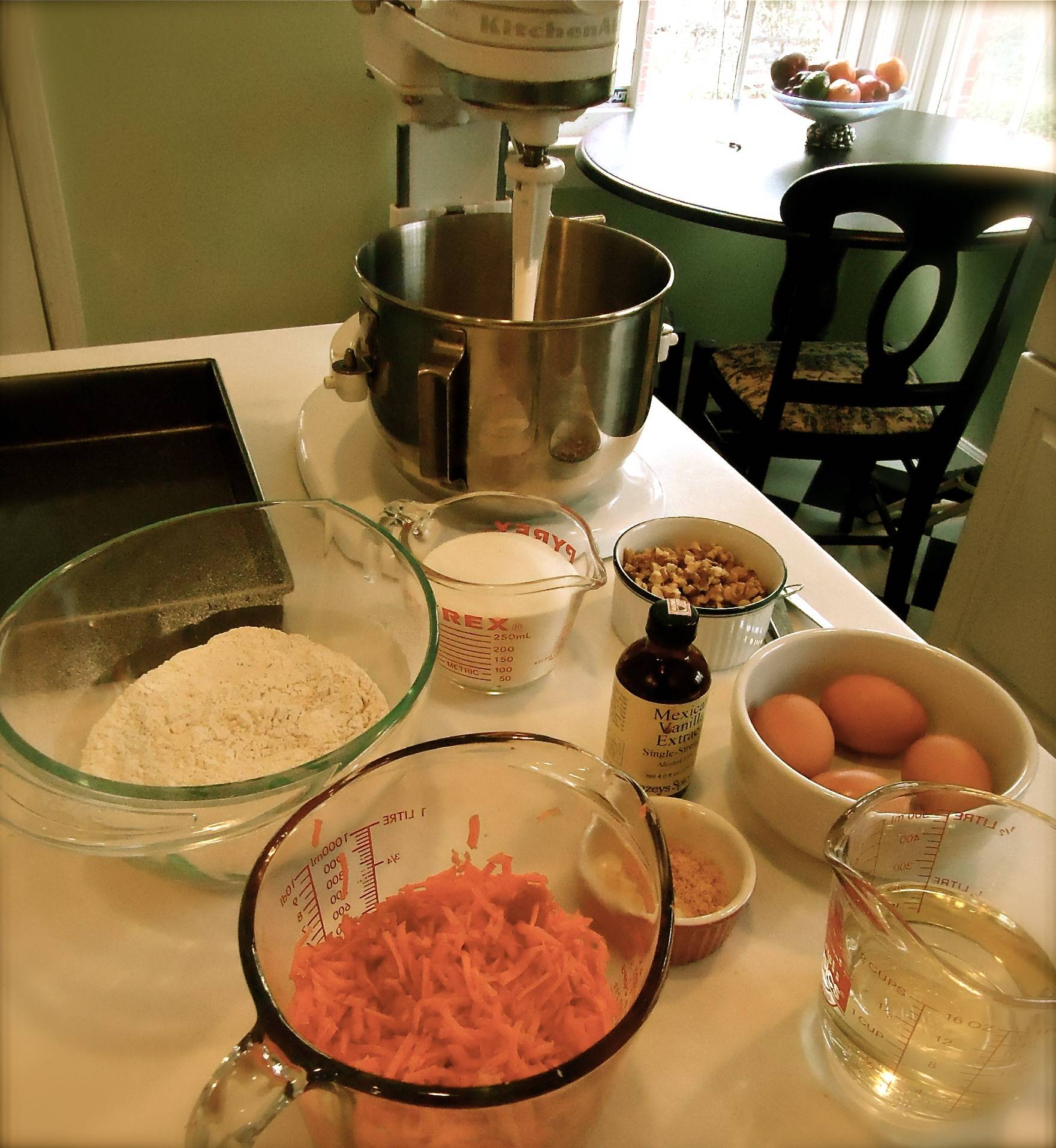
Ingredients for the perfect carrot cake.

In this recipe, fresh carrots make a difference so shred your own. The Cuisinart makes quick work of it.

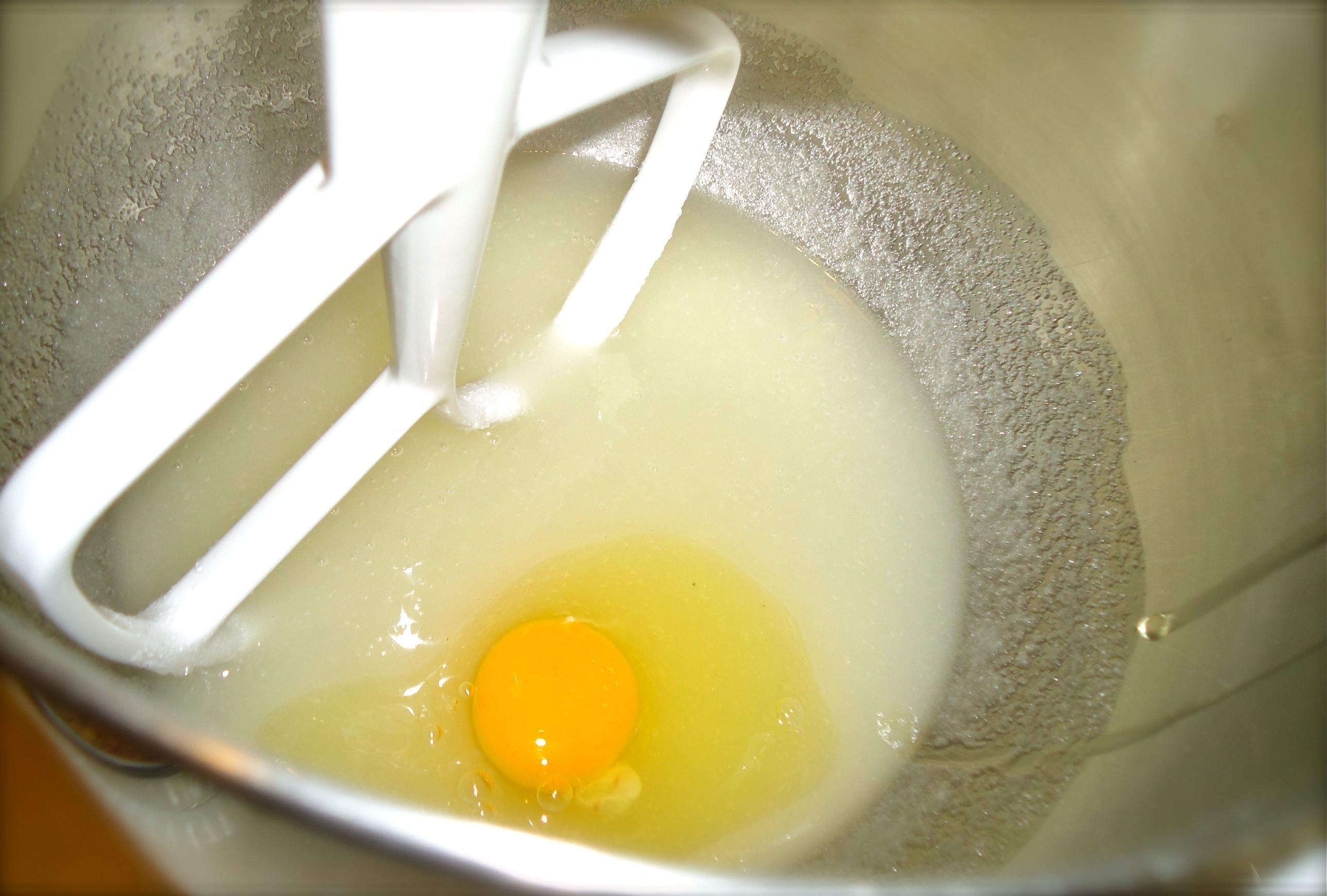
Making the batter is easy: first mix together the sugar, oil and eggs…

Then just add in the flour mixture.

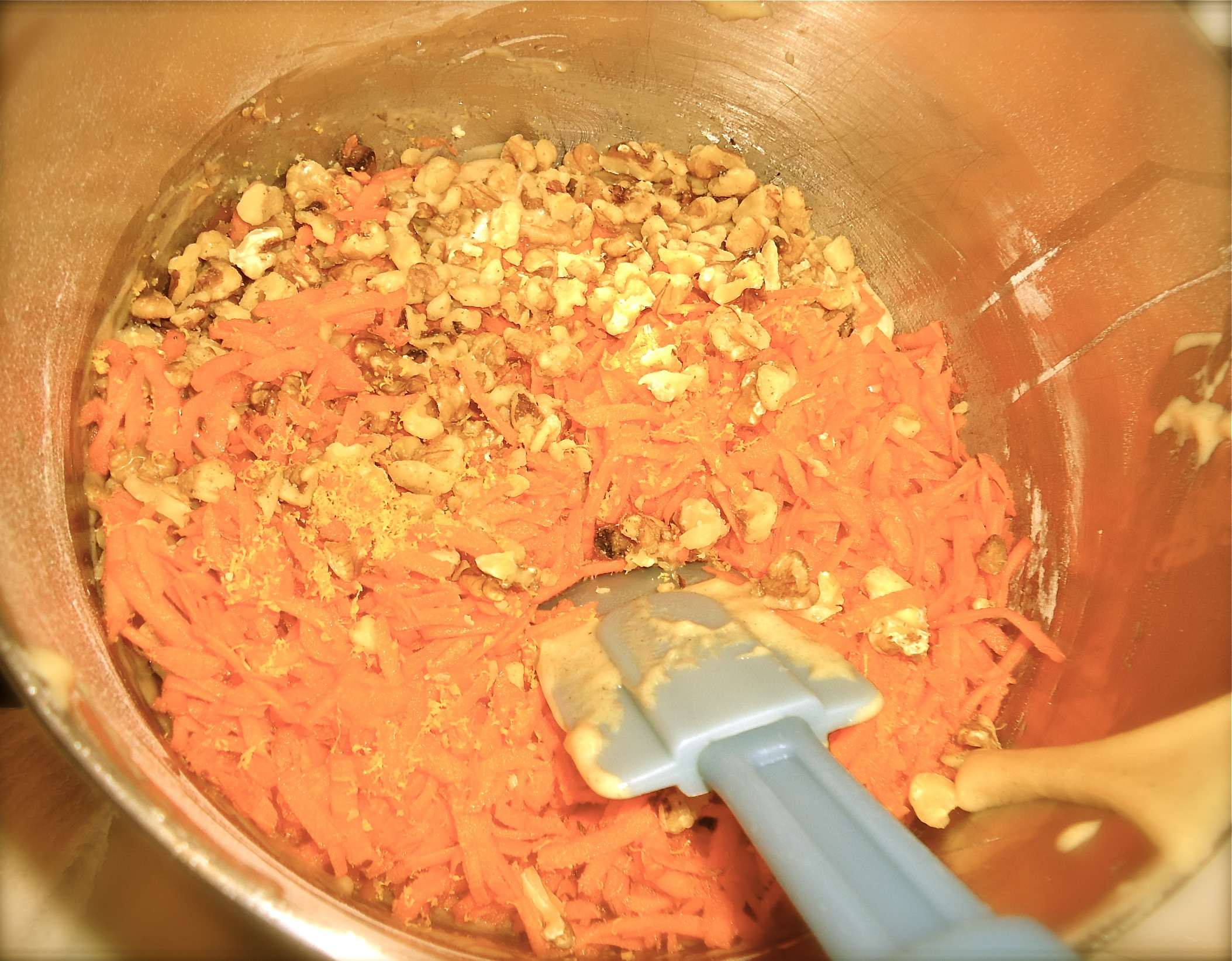
Last, stir in the shredded carrots and chopped nuts.

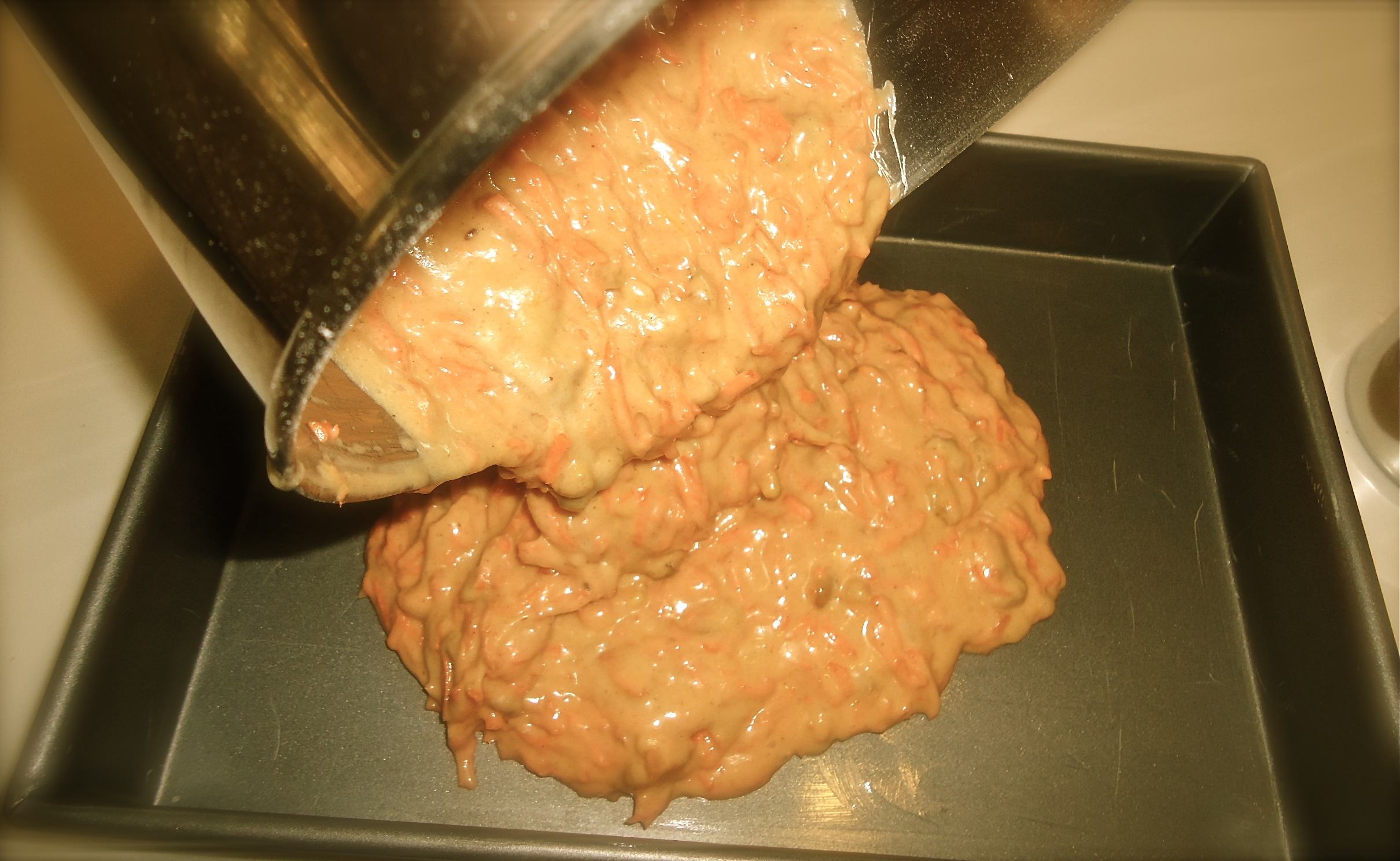
Pour the batter into your prepared pan. This recipe allows one to use a variety of pan sizes. You can even make cupcakes with this batter, just use cupcake liners.

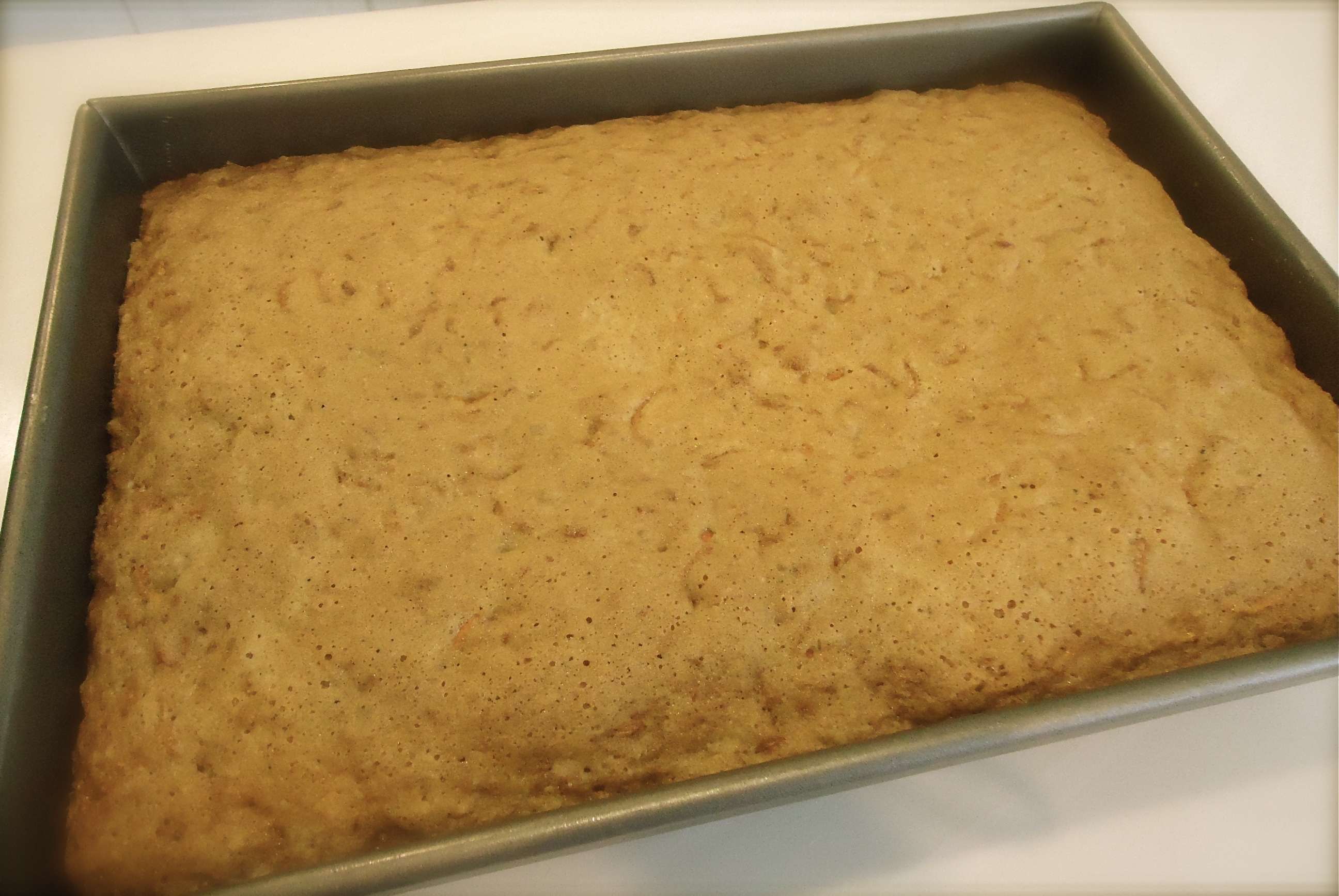
After baking, cool on a rack. I made it easy on myself and simply frosted the cake in the pan I baked it in. But you can use a tube or bundt pan or make three 8-inch layers.

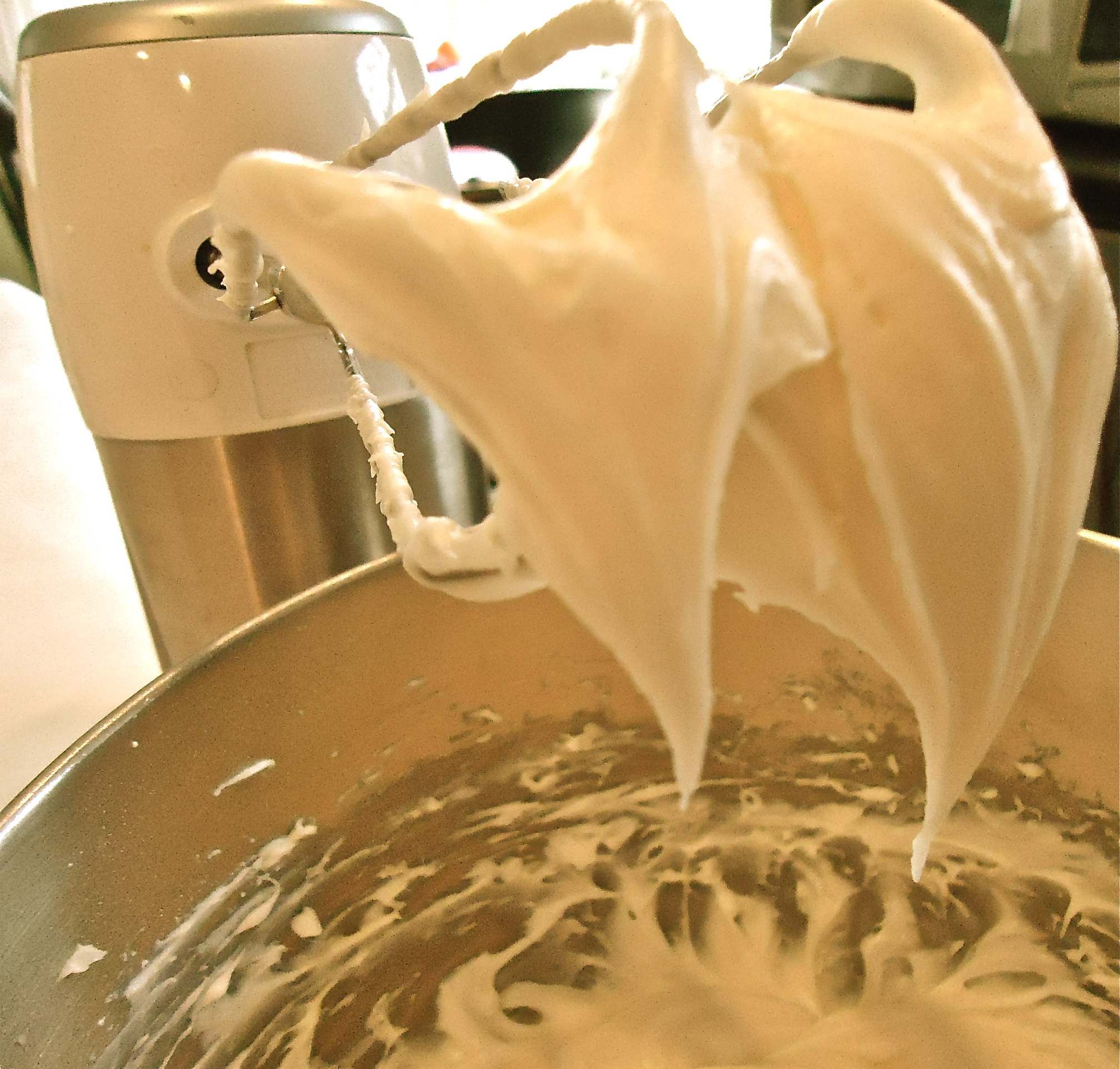
To make the frosting start by creaming the butter and cream cheese. Then add in the confectioners sugar about 1 cup at a time.

After adding about 3 cups of sugar add the flavorings of lemon juice and vanilla extract. Add more confectioner’s sugar a little at a time until you get the consistency you prefer.

This is my preferred consistency – creamy and spreadable but thick enough to hold up in the humidity that can blanket the South.

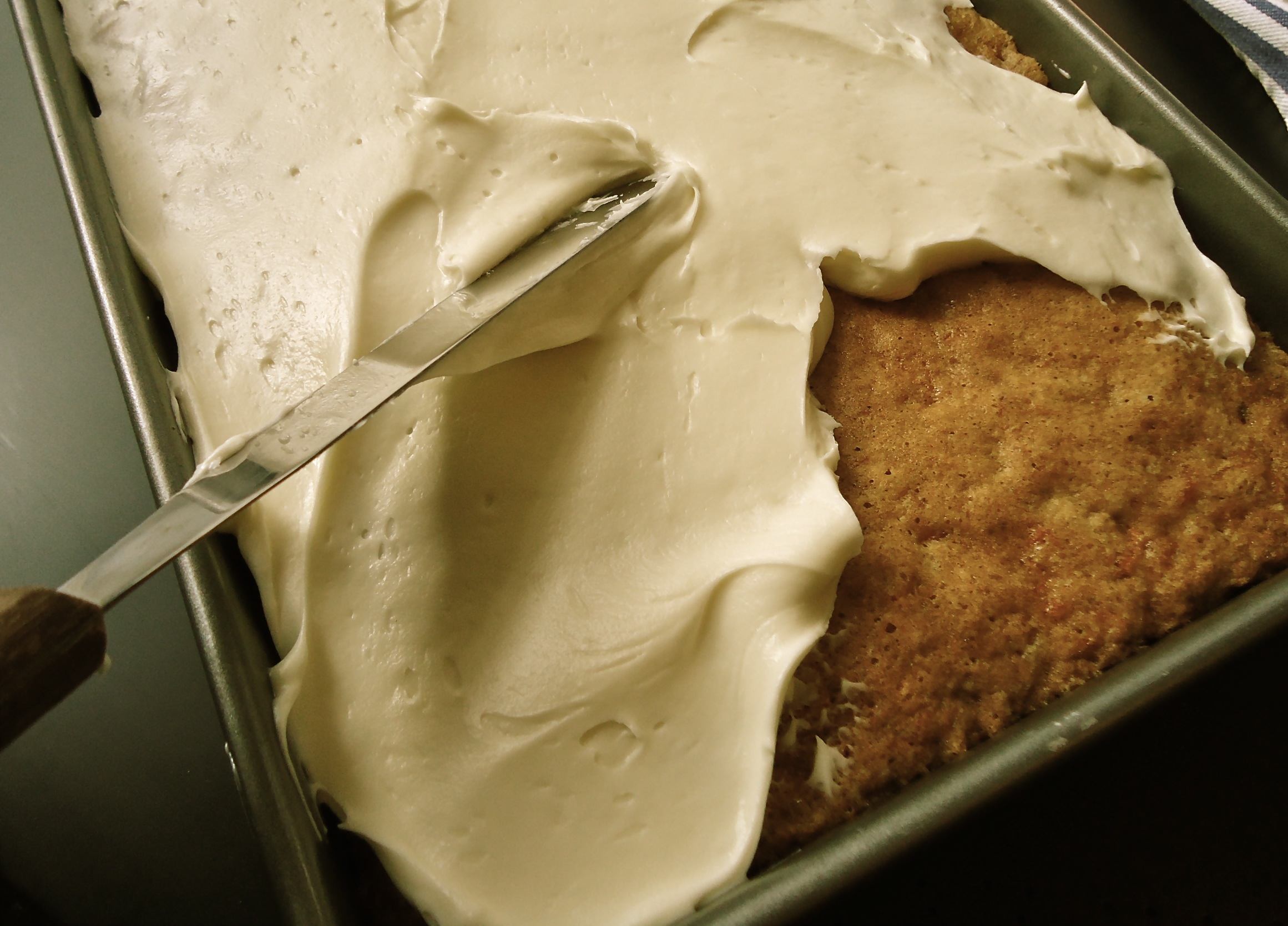
Spread the frosting over the cake and you’re done. Now time for a piece with a big glass of milk!

Perfect Carrot Cake

  • 2 cups flour
  • 2 tsp. baking powder
  • 2 tsp. baking soda
  • 1 tsp. salt
  • 1 tsp. cinnamon
  • ¼ tsp. ground mace
  • 1 ½ cup sugar
  • 1 ¼ cup oil
  • 4 eggs
  • 3 cups shredded carrots
  • ¾ cup chopped walnuts or pecans

Preheat oven to 350 degrees and grease either a 9” x 13” baking pan, a 10-inch tube/Bundt pan or (3) 8-inch round cake pans.

Sift together the flour, baking soda, baking powder, salt and spices and set aside. In a large mixing bowl beat together the sugar and the oil. Gradually beat in the eggs and then the flour mixture. Stir in the carrots and then the nuts. Pour in the batter and tap on the counter to release any air bubbles. Bake the 45-50 minutes for the baking pan, 50-60 minutes for the tube pan, and 25-30 minutes if baking in the 8-inch pans. If you insert a toothpick in the center of the cake and it comes out clean it is done. If it comes out with batter on it, it’s not… so keep baking and check again in 5-8 minutes.

Cool cake on a rack. If using the tube pan or the 8-inch rounds, cool 15 minutes and then invert and remove from the pan. Cool and frost with classic cream cheese frosting.

Cream Cheese Frosting

  • 1 (8) oz package cream cheese, softened
  • 4 tbl. butter, softened
  • 3-4 cups confectioners’ sugar
  • 2 tsp. lemon juice
  • 1 tsp. vanilla extract

Cream the butter and cream cheese. Slowly add in confectioners sugar 1 cup at a time until you’ve mixed in 3 cups. Add in the lemon juice and vanilla extract. Add more confectioners sugar a tablespoon at a time until the frosting is at your desired consistency.

Note: If you are making a 3-layer cake you may prefer more frosting. I suggest using 12 oz of cream cheese, 6 tablespoons butter and 6-7 cups of confectioners’ sugar. Also increase the lemon juice to 1 tablespoon.

The return of the pork chop.

Today’s recipe is probably most suited for the fall in my opinion, but not according to my dear hubby. He loves these pork chops with its rich stuffing of apples, whole grain bread and Gouda cheese any time of  the year and has been pestering me to post this recipe for several weeks. So being fresh off of a few days sabbatical at Edisto Beach, I succumbed to posting the pork chop recipe. Perhaps it is also his way of asking me to make this dish soon as well. Hum, interesting… Guess he doesn’t realize I took all the ‘how to’ pictures the last time I prepared this recipe…maybe I’ll make it for him anyway. Awwww!

So this recipe is a good one for several reasons. First its relatively easy – just a matter of dicing some vegetables and bread. Cutting the pockets in the chops is not difficult – use thick bone-in chops and a sharp knife. The recipe can be prepared early in the day and held in the refrigerator until you’re ready to roast the stuffed chops. And not only is the combination of pork, apples and cheese exceedingly tasty it also makes an impressive main dish for your next dinner party or special occasion supper. This recipe can also easily doubled or tripled.  It’s a win-win!

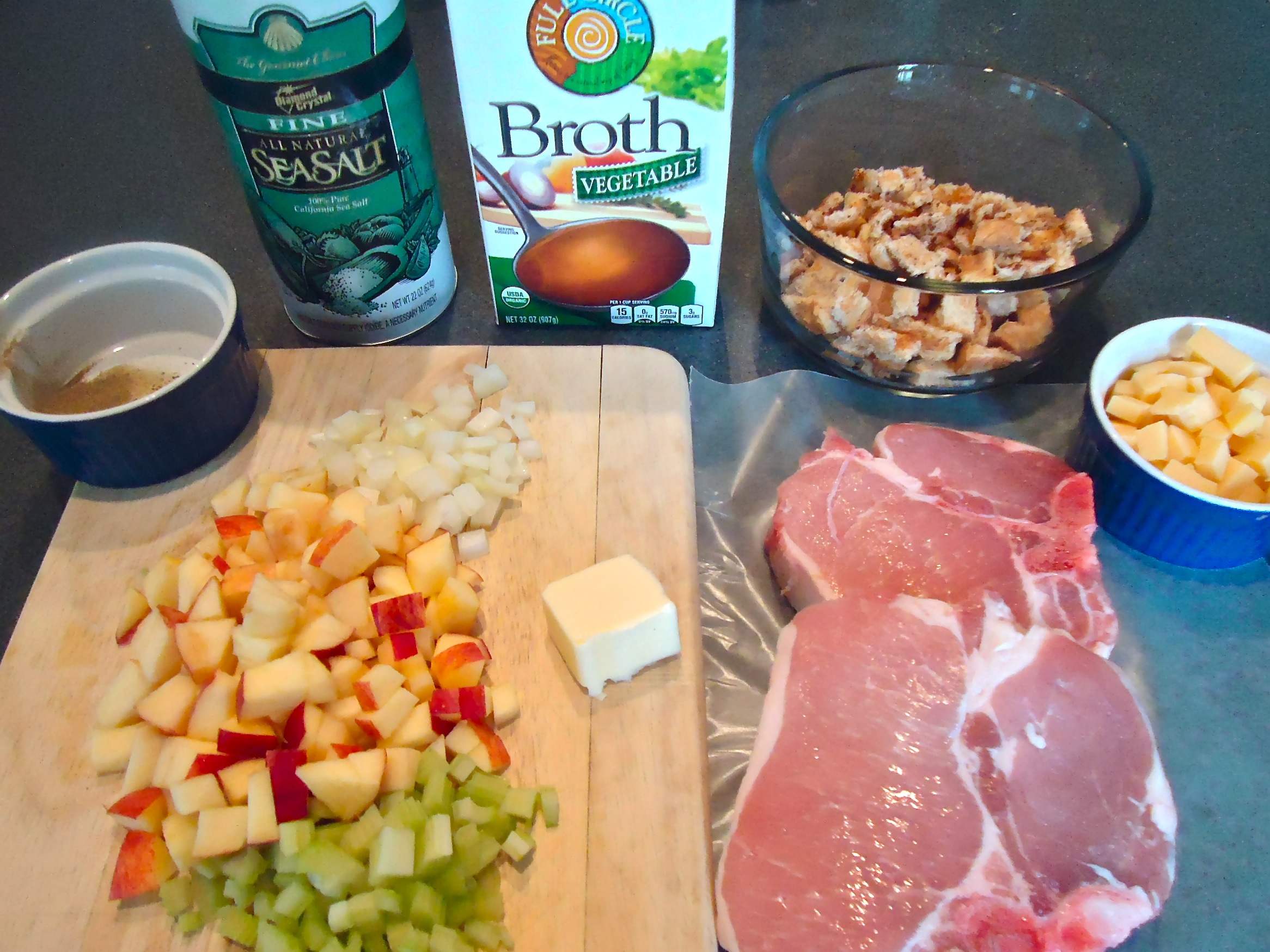
The ingredients. Add the saute pan, spatula, a sharp knife and baking dish and my ‘mise en place’ is complete! Note that I did not include bacon this time but feel free to add as per the recipe below

Saute the veggies in the butter – not a complicated step but it makes a pretty picture!

Add the broth (or stock) to the veggies and cubed bread.

Mix the chilled cheese cubes with the breadcrumb/apple mixture.

Make a pocket in the side of each chop with a sharp knife. Yes, that is my chubby,wrinkled hand…

Cut a deep pocket (that reaches the bone) which you will fill with that delicious stuffing. There’s that chubby hand again!

Lightly salt and pepper the pork chop pocket and then stuff.

Spoon any extra filling around the pork chops, cover with foil (or a cover) and roast for about 20 minutes in a 400 degree oven. Remove foil and continue to roast for an additional 10 minutes. You may also run under a broiler to get a good crisp on your chop, if that’s your preference.

Stuffed Pork Chops with Apple and Gouda Cheese

  • (2) 1 1/4 inch+ thick bone-in pork chops
  • 2 medium apples, washed, cored and diced – peel left on
  • ¼ cup diced onion
  • 1 stalk celery, diced
  • 3 slices whole grain sandwich bread, toasted and diced (not crumbs!)
  • 1 tbl. butter
  • 1/3 cup vegetable stock or broth
  • 1/3 cup diced good quality Gouda cheese, chilled
  • 2 slices of good quality bacon, cooked crisp and crumbled – optional
  • ¼ tsp+ extra salt
  • ground pepper

Preheat oven to 400 degrees. In a medium sauce pan melt the butter and sauté the onion and celery over medium heat 2 minutes. Add the apple and sauté another 2-3 minutes. Remove from the heat and set aside to cool to room temperature.

Meanwhile cut pockets into one side of each pork chop being careful not to slice through the top or bottom. In a medium sized bowl combine the cooled sautéed vegetables, the broth, ¼ tsp. salt, and the bread crumbs. Fold in the diced cheese and optional bacon and stir to combine. Sprinkle with a few cracks of pepper and stir once more.

Sprinkle the inside pocket of the chop with a dash of salt and pepper. Stuff each pork chop, sprinkle with another dash of salt and pepper and place chops in an oiled baking dish. Spoon any leftover stuffing around the chops. Cover the baking dish with foil and bake for 20 minutes. Remove foil and continue to bake 10 minutes. If you prefer your chops very brown and crispy, I suggest running them under the broiler for an additional minute or two.

Real Southern-style Banana Pudding.

Hey, it’s summer and it’s sizzling here in the Lowcountry of South Carolina. We have family down for a long weekend and we’ll all be heading to our historic town for their annual festivalapolooza… the “Beaufort Water Festival”. Actually it will be the first one I’ve attended, so I’ll be checking out the vibe and get back on the blog with some insider’s information and a recap. It lasts 2 weeks with events and different things going on every day. Should be fun if we don’t all melt in the heat but hey, that’s July in the South so it’s par for the course.

In the meantime, here is a recipe for a Southern favorite, banana pudding. It utilizes my Mama’s southern custard recipe with the addition of homemade whipped cream plus vanilla wafers, bananas and a surprise meringue topping. The meringue is not my original idea. At last year’s Music to your Mouth Festival, I encountered the banana pudding from Crook’s Corner (Chapel Hill, NC). What made it the bees knees was this meringue topping, so hats off to them for actually adding a new twist to this old favorite. I would say the key to banana pudding is the homemade custard and the vanilla wafers. I always use Nabisco “Nilla Wafers” and I would never even bother making it unless I had homemade custard. Does that make me a banana pudding snob? Then guilty as charged.

The ingredients for authentic banana pudding. I cut off the image so you can”t see the confectioner’s sugar and the cream of tartar at the bottom. Sorry about that!

Fold the whipped cream into the chilled custard – makes it just that much richer.

First layer the wafers in the bottom of the serving dish.

Then spoon on the custard and the banana slices. Then repeat the entire process.

Make the meringue with egg whites, cream of tartar and sugar. Whip it all until stiff peaks are formed.

Spread the meringue on a greased piece of parchment on a baking sheet.

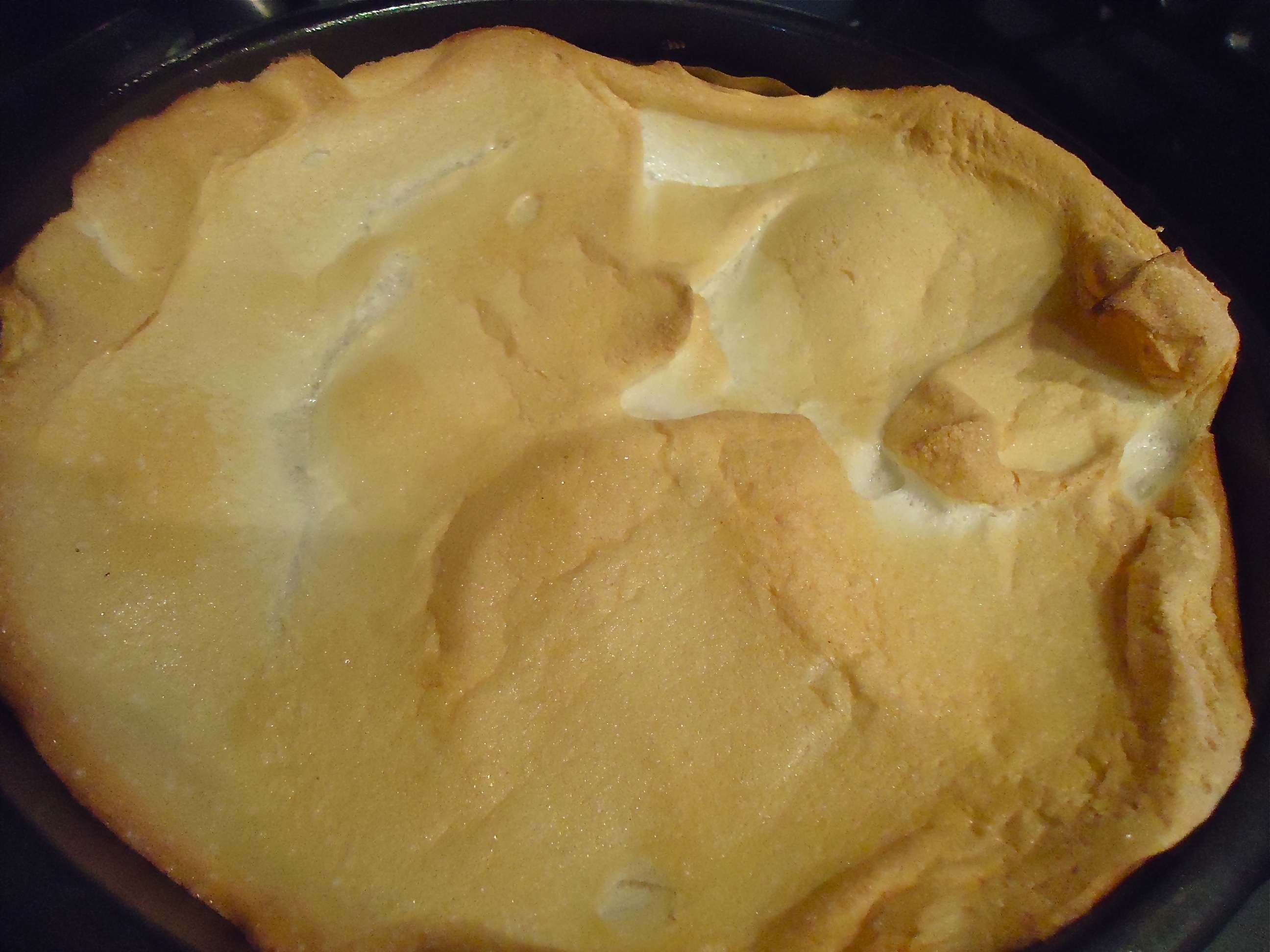
After baking a few minutes you get a crusty sweet topping for your ‘nanner pudding.

Close-up of the finished, plated pudding. A cool and rich dessert perfect for summer.

Southern-Style Banana Pudding 

  • custard – 1 full recipe’s worth (see below), chilled
  • 1 cup whipping cream
  • 2 tbl. confectioners sugar
  • 3 egg whites
  • ¼ tsp. cream of tartar
  • 3 tbl. sugar
  • 2-3 large bananas, ripe but not brown
  • vanilla wafers

In a mixing bowl whip the cream until frothy, add the confectioner’s sugar and continue to whip until fluffy. Fold into the custard.

In a large and deep baking dish layer layers vanilla wafers to cover the bottom. Spread ½ the custard and add a layer of sliced bananas on top of that. Repeat the layers. Cover and chill until just before ready to serve.

Preheat oven to 400 degrees. Whip the eggs whites with the cream of tartar until frothy. Continue to whip the egg whites, adding the sugar 1 tablespoon at a time until the meringue is light, fluffy and hold it’s shape when the beaters are lifted.

Lightly oil or butter a piece of parchment and place on a baking sheet. Spread the meringue on the parchment and bake until lightly browned – about 2 to 3 minutes. Remove from the oven and scoop immediately to top individual portions of the banana pudding.

Note: If you are serving a crowd and expect all the banana pudding will be eaten you can spread the meringue on top of the chilled banana pudding and bake the entire pan at once.

Custard

  • 3 large eggs, well beaten
  • ¾ cup sugar
  • 1 quart of whole milk
  • 2 tbl. all-purpose flour
  • 2 tsp. vanilla extract

In a medium saucepan or double boiler, scald the milk and allow to cool slightly. In a small bowl mix the sugar and flour. Whisk the sugar/flour mixture into the eggs. Make sure this mixture is well incorporated and smooth. Spoon or scoop out about ¼ cup of the egg mixture and quickly whisk this into the scalded milk. Repeat and mix well.

Place the milk back on the heat and whisk the remaining egg/sugar mixture into the milk as it heats. Keep whisking and heating until the mixture come almost to a boil and coats a spoon when it is dipped into the hot custard. Remove from the heat and stir in the vanilla extract. *Allow to cool slightly and place in the refrigerator.

Cover the slightly cooled custard with plastic wrap that touches the top of the custard. This should prevent a “skin” from forming on top of the custard.

Field Trip: Cooking up a storm at the Culinary Arts Center

Recently I attended a cooking class at the Culinary Arts Center at Hilton Head Health. The CAC facilities were totally renovated in 2011 into a larger space with top of the line EVERYTHING. Hilton Head Health has been in existence over 35 years, helping those struggling with weight issues AND individuals (and groups) who would like to focus on a healthy lifestyle. By addressing the mind-body connection between weight loss, fitness, nutrition and overall well being they supply the tools to sustain a healthy weight-loss. They were featured on the A&E weight loss docudrama, HEAVY.

This is the classroom. Each station has a professional range, sink and even pot fillers. At front is the huge stone “island” demonstration area – large monitors make following along with the chef easy. Photo courtesy of the Culinary Arts Center, Hilton Head Health.

But my afternoon there was all about cooking and seafood. As part of a post that I am writing for my other blog (Hilton Head Foodie Vibe) I was invited to attend the “Seafood 101” participatory class. Led by Chef Jen Welper the packed class began by getting some basic instructions and information about the ingredients we were going to use. We were given a packet of recipes for sauces or marinades plus instructions for cooking methods for fish fillets, shrimp, and scallops.

We then paired up with a partner. Mine was Marie, who was on a 3-day getaway program – a gift of her husband. Nice husband! She was bubbly and friendly and we hit it off from the start. I will state that I had thought to myself, “Okay, I know how to cook seafood so I’m wondering what I can learn here?”

Well, I learned how to quickly “press” garlic cloves without using a garlic press the professional way. Also a great way to let some aggression by slamming your lower palm down on a chef’s knife that is pressed flat on a garlic clove. Then just mince a little – so easy.

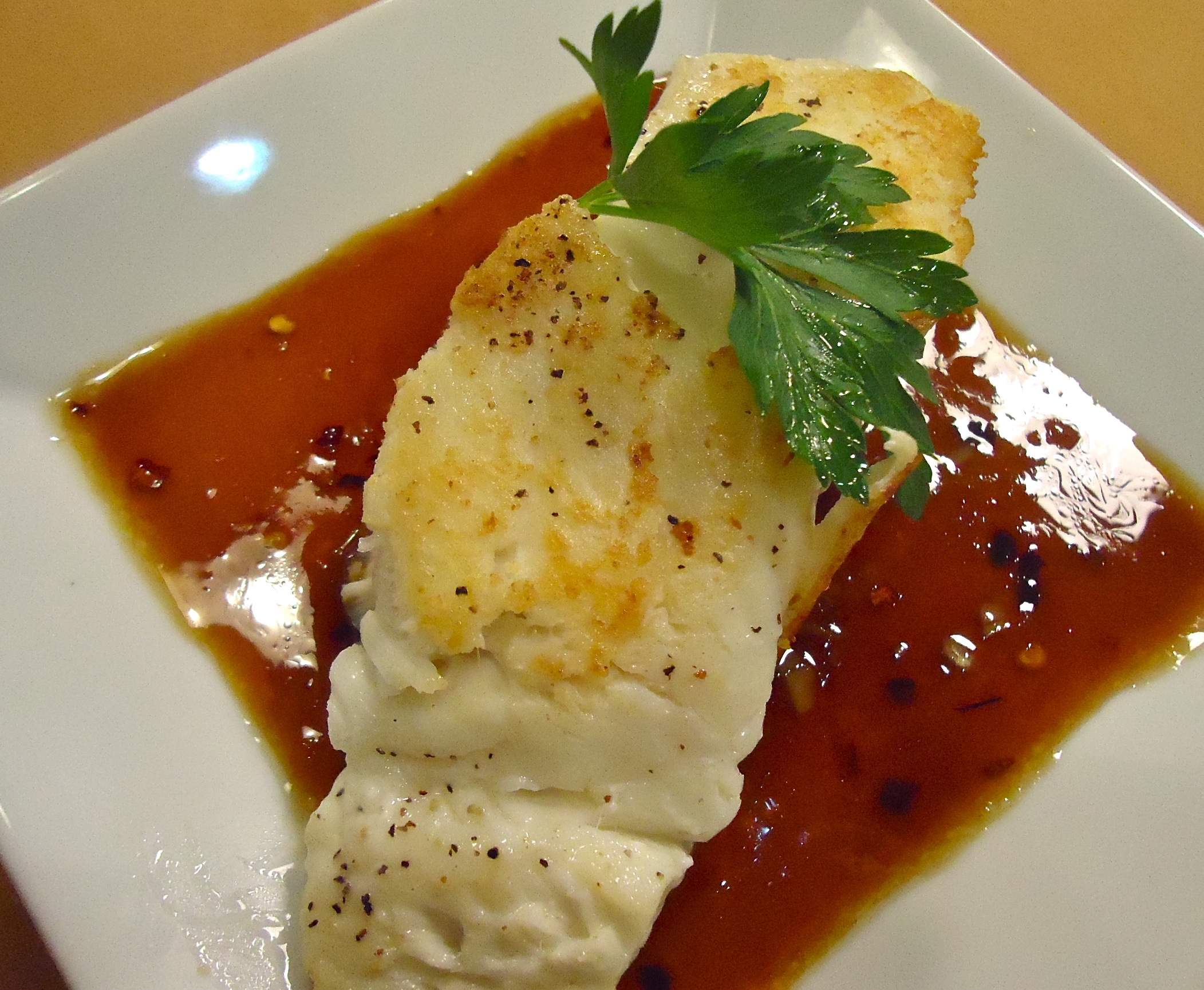
The snapper was pan seared and then surrounded by a pool of sesame ginger marinade.

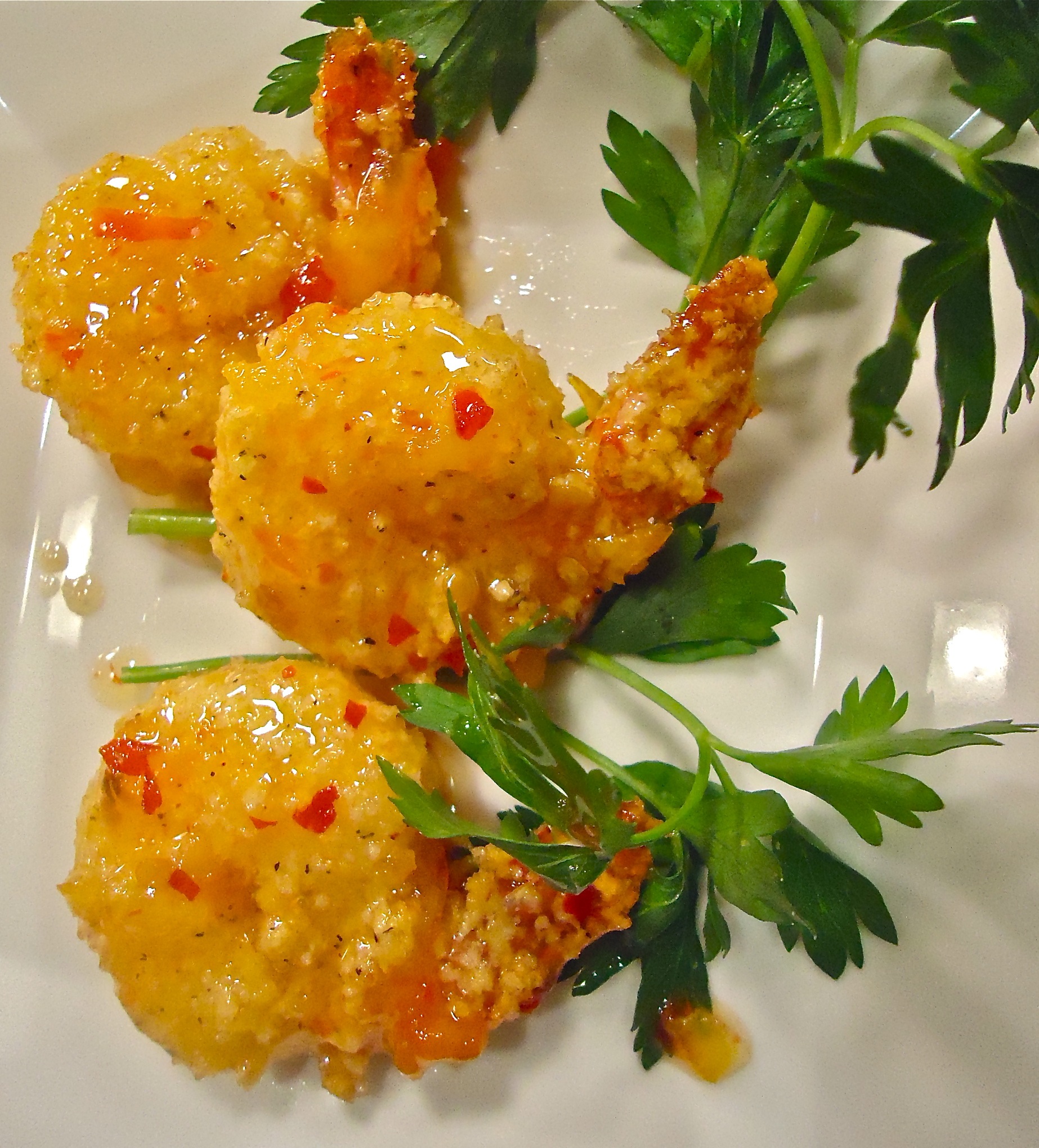
I learned that shrimp can be crunchy and delicious by baking in an oven and that one of my favorite restaurant appetizers, Bang-Bang shrimp, was super easy to make at home. While I do not have step-by-step instructions for the “Bang Bang Shrimp”, I am offering up the recipe, courtesy of the Culinary Arts Center, below. It is a straight-forward recipe with two parts – the sauce and the shrimp. You can make the sauce earlier and simply warm it before tossing with the shrimp too.

The other two recipes we made were a sesame ginger marinade (which we used as a sauce) for a mild, pan seared snapper fillet and shrimp scampi, where we were able to use that garlic smashing technique. With the onset of the local shrimp season and plenty of fresh local fish I’ll be preparing those recipes in the future with step-by-step images and instructions.

Shrimp scampi: garlicky, lemony, tasty!

The cooking classes and demonstrations at the Culinary Arts Center are open to everyone – you do not have to be enrolled in a program at Hilton Head Health. So if you are interested in visiting the Hilton Head area and would like to include some learn’in (and cooking fun) while you’re on vacation, check it out.

Bang Bang Shrimp

Culinary Arts Center at Hilton Head Health

Bang Bang Sauce:

  • ½ cup orange marmalade
  • ¼ cup sweet chili glaze
  • ¼ cup water
  • ¼ tsp. Red pepper flakes
  • Panko shrimp (below)

Preheat a medium saucepan. Mix all ingredients (except the shrimp) in the saucepan until sauce is well mixed and warm. Toss in the cooked hot panko shrimp until coated. Note: we served our sauce on the side. Serve immediately.

Panko Shrimp:

  • 6 shrimp per person peeled, deveined (21/25s size)
  • ½ cup Panko Bread crumbs (Japanese bread crumbs)
  • ¼ cup Egg Beaters or just egg whites
  • ¼ tsp. ground black pepper
  • ¼ tsp. salt

Preheat oven to 375 degrees.

In one bowl place Panko crumbs, pepper and salt. Mix lightly. In a separate bowl place Egg Beaters. Dip each shrimp in Egg Beaters, then toss each shrimp in the Panko crumbs. Spray baking sheet or pan with non-stick cooking spray. Place shrimp on baking sheet and bake in the oven for about 15 minutes. Remove from the oven and toss with Bang Bang sauce and serve!